How to connect multiple devices nordvpn: a complete guide to simultaneous connections, router setups, and multi-device management
Yes, you can connect multiple devices to NordVPN at the same time.
If you’re looking to protect all your devices without juggling login credentials or sacrificing performance, this guide has you covered. You’ll get a clear view of the 6-device simultaneous connection limit, how to use NordVPN on Windows, macOS, Android, iOS, Linux, and how to extend protection to an entire home network with a VPN-enabled router. We’ll also walk through practical setup steps, best practices, common issues, and advanced tips to squeeze every bit of security and convenience from NordVPN when you’ve got several devices in play. And if you’re ready to shield all your gadgets right now, consider NordVPN—the banner below is the affiliate badge you’ll often see on our site.
For quick access, NordVPN’s multi-device protection is designed to be simple: one subscription, up to six simultaneous connections, and options to cover every device via apps or router configurations. If you want a fast jump start, here are some essential resources: NordVPN Official Site – nordvpn.com, NordVPN Support – support.nordvpn.com, VPN Basics – en.wikipedia.org/wiki/Virtual_private_network, TechRadar NordVPN Review – techradar.com/reviews/nordvpn, PCMag NordVPN Review – pcmag.com/reviews/nordvpn
Introduction to multi-device coverage and why it matters
- How many devices can you run at once? NordVPN supports up to six simultaneous connections per account. That means you can securely browse from your laptop, phone, tablet, and a few other devices at the same time. If you’ve got a larger household or a small team, this is where a router-based setup shines, which we’ll cover later.
- What counts as a device? Each end device a laptop, phone, tablet, smart TV, game console, or router that’s actively connected to the VPN counts toward the six-device limit. When you route your entire home network through a VPN-enabled router, every device that connects to your Wi‑Fi benefits from NordVPN, but the router itself typically uses one connection slot on your account.
- Why use NordVPN for multiple devices? The multi-device support makes it easy to keep personal and work devices private, avoid geo-restrictions on streaming services, and protect family members who may be using different platforms all day long. You also get features like CyberSec, Kill Switch, and a broad server network that supports fast, private access on several devices at once.
Section overview
- Understanding how many devices NordVPN supports
- Platform-by-platform setup: Windows, macOS, Android, iOS, Linux
- Router setups to cover every device on a home network
- Step-by-step multi-device onboarding
- Features that help when you’ve got several devices
- Security, privacy, and best practices
- What to do when you hit the 6-device limit
- Troubleshooting common multi-device issues
- Real-world tips for speed and reliability
- Frequently Asked Questions
Section: Understanding how many devices NordVPN supports
NordVPN’s core policy is straightforward: six simultaneous connections per account. This includes connections on your devices and, if you’re using a VPN-enabled router, the router’s connection itself. Here’s how to maximize value from that limit:
- Use a VPN-enabled router to cover all home devices that connect through Wi‑Fi. This effectively provides VPN coverage for every device on your network, including smart TVs, gaming consoles, and set-top boxes that don’t have a native VPN client.
- If you’re aiming to protect a larger number of devices, consider dedicated devices you personally use the most and rely on the router to cover the rest. You can still sign in on up to six devices at any one time, but the router approach usually gives you better coverage for a busy household.
- Remember that certain NordVPN features are platform-specific. Split tunneling, for example, is available on Windows and Android, but not all features appear the same across iOS, macOS, or Linux.
NordVPN’s server network and what it means for multi-device users
- A broad server network matters when you’ve got multiple devices connecting from different regions. NordVPN advertises thousands of servers across many countries, which helps you bypass content restrictions on various devices without sacrificing speed. Real-world performance depends on server location, your baseline internet speed, and the load on any given server.
- For streaming and gaming on multiple devices, pick servers with good reputations for speed and stability. In many tests, NordVPN servers in nearby regions provide the best balance of latency and throughput for everyday tasks, while longer-distance servers are useful when you’re trying to access region-locked content.
- Security first. All NordVPN servers use strong encryption 256-bit AES and modern protocols OpenVPN, NordLynx, etc.. This is critical when several devices are connected, as it reduces exposure across the board.
Section: Platform-by-platform setup for multi-device usage
Here’s a practical guide to connecting multiple devices using NordVPN on common platforms. The steps emphasize convenience and reliability for households with several devices.
Windows and macOS
- Install the NordVPN app on each computer.
- Sign in with your NordVPN account.
- Choose a server location and click Connect.
- Repeat on each device. You’ll see a status indicator showing which devices are connected.
- Tips:
- Enable Kill Switch to prevent data leaks if the VPN drops.
- Use CyberSec to block malicious sites and reduce exposure while browsing on multiple devices.
- If you frequently switch servers, save a few favorite locations for faster reconnects on various devices.
- Practical note: On macOS and Windows, you can use Split Tunneling to route only certain apps through the VPN. This is handy if you want local network access on some programs while others go through the VPN.
Android and iOS
- Install the NordVPN app from Google Play or the Apple App Store.
- Sign in and connect to a server. The interface is straightforward for mobile users who juggle several apps at once.
- Split Tunneling on Android lets you choose which apps bypass the VPN, which can be handy if your bank app should use your regular connection while other apps stay protected.
- Important: On iOS, you’ll mainly use the official app as the primary method for VPN connections. Some iOS-level restrictions limit third-party app behaviors, but NordVPN’s native iOS app is optimized for reliability and battery life.
Linux
- If you’re on Linux, you can use the NordVPN app for Linux available for Debian, Ubuntu, Fedora, etc. or use the OpenVPN/NordLynx configurations via NetworkManager or command-line.
- For most users, the GUI app on Debian/Ubuntu makes multi-device management easier. You can connect from several Linux devices in parallel, respecting the six-device limit across your entire account.
- Ensure your DNS is set to avoid leaks. NordVPN’s DNS feature helps mitigate leaks when multiple devices are connected.
- If you rely on a VPN for work, consider using the NordLynx protocol for faster, more reliable connections on Linux.
Router setup to cover every device on your home network
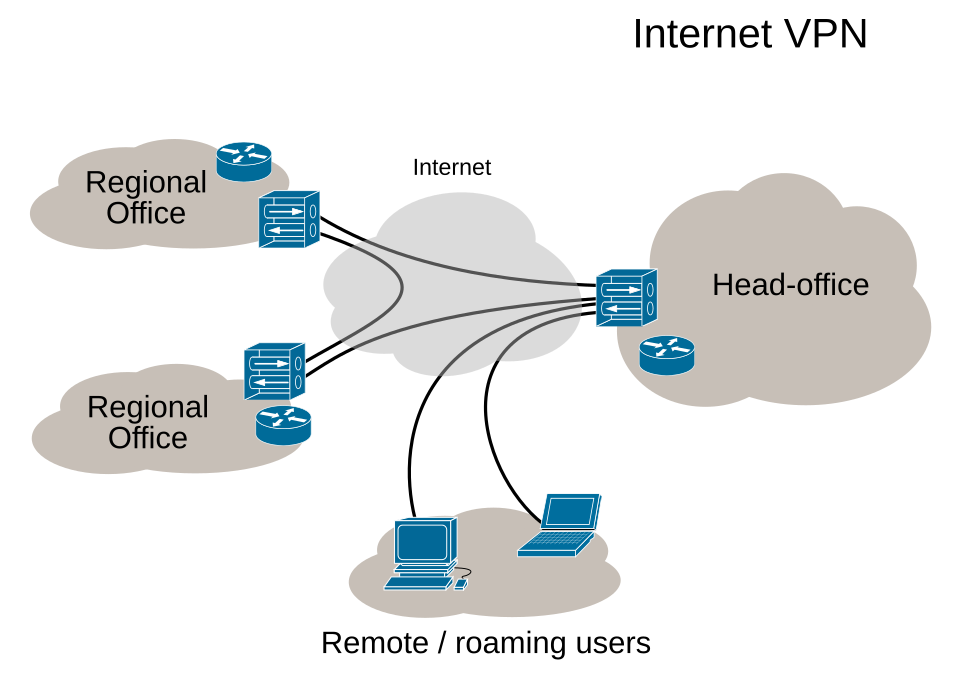
- Why use a router? A VPN-enabled router means every device that connects to your home network is protected, including devices that don’t support VPN apps game consoles, smart TVs, some IoT devices, etc.. This approach effectively expands your protective umbrella well beyond six tangible devices.
- Basic router setup steps typical path:
- Choose a compatible router and firmware. AsusWRT, Asus-Rmerlin, DD-WRT, and Tomato are common options. Check whether your router supports OpenVPN or NordVPN’s custom setup.
- Get your NordVPN OpenVPN configuration files or credentials. You’ll need the server address, your username, and password.
- Access your router’s admin panel and locate the VPN section. Install the NordVPN provider or configure the OpenVPN client depending on your router’s firmware.
- Import the VPN configuration, enter your NordVPN credentials, and enable the VPN tunnel.
- Confirm that all devices connected to the router are now routing traffic through the VPN. Some routers require you to adjust DNS settings when the VPN is active.
- Test with a browser on a connected device to verify your IP is from the VPN server’s location.
- Important caveats:
- Some routers may reduce throughput due to hardware limits. If several devices stream 4K video or play online games, you may want to pick a high-performance router to minimize bottlenecks.
- If your router doesn’t support VPNs, consider a second dedicated device like a mini PC to run NordVPN and share the VPN connection via USB tethering or a local network bridge.
- Extra tips:
- Use NordLynx for better speed on routers that support it.
- Regularly update router firmware to maintain security and compatibility with VPN configurations.
- Maintain a secure admin password for the router, and disable remote administration unless you really need it.
Step-by-step onboarding for multi-device usage quick-start guide
- Step 1: Decide your coverage strategy. Do you want to protect every device via router, or mix direct-device connections up to six plus a router for more devices?
- Step 2: Install NordVPN on your primary devices first laptop, phone, tablet. Preview the features you’ll use the most CyberSec, Kill Switch, Split Tunneling.
- Step 3: If you’re using a router, set up the VPN on the router following the router’s official guidance and NordVPN’s OpenVPN/IKEv2 configuration options.
- Step 4: Enable essential security features on all devices: two-factor authentication for your NordVPN account, Kill Switch, and regular software updates.
- Step 5: Monitor active connections from your NordVPN account dashboard. You should see the number of devices currently connected. If you notice unfamiliar devices, immediately kick them off and change your password.
- Step 6: Save a few favorite servers on each device for quick switching when you need stable speeds, streaming, or bypassing regional restrictions.
- Step 7: Periodically review your six-device limit. If someone’s no longer using VPN, log them out or revoke access to avoid hitting the limit unintentionally.
NordVPN features that are especially helpful for multi-device setups
- Kill Switch: Stops all traffic if the VPN disconnects, protecting all connected devices from accidental exposure.
- CyberSec: Blocks malicious sites and reduces risk while browsing from multiple devices.
- Split Tunneling: Useful on Windows and Android to direct specific apps through the VPN while leaving others on the regular connection.
- Double VPN optional: Provide extra privacy by routing traffic through two VPN servers.
- Obfuscated Servers: Useful if you’re in a restricted network. this helps keep VPN traffic under the radar on several devices.
- NordLynx protocol: A modern, faster protocol designed to improve speeds and reduce latency, which helps when you have multiple devices in use at once.
Security, privacy, and best practices when you have multiple devices
- Use a strong, unique password for your NordVPN account and enable two-factor authentication 2FA for extra protection.
- Regularly update all VPN apps across devices. Security patches and performance improvements come with updates, which are essential when you’re managing multiple devices.
- If you’re using public Wi‑Fi on any device, ensure NordVPN is connected before you start browsing. This reduces exposure from open networks.
- Consider using the CyberSec feature to block access to known malicious domains across all devices.
- For home networks, keep router firmware up to date and change the default login details to a strong, unique password.
Performance considerations and real-world expectations for multi-device use
- Expect some speed impact when routing traffic through a VPN, especially if you’re connecting from far away servers. You’ll typically see a modest drop in throughput, often in the 5–20% range depending on distance and server load.
- Closer servers usually offer the best speeds for multiple devices using the same network path. If streaming or gaming, pick a nearby server with high load ratings to minimize stuttering or buffering.
- The NordVPN protocol choice matters. NordLynx tends to provide better performance on multiple devices, particularly when several devices are actively using the VPN at once.
What to do if you hit the six-device limit
- Switch to a router-based approach: configure NordVPN on a compatible router so all devices connected to your Wi‑Fi are protected by a single VPN connection from the router.
- Reallocate connections: disconnect devices that aren’t actively using the VPN to free up slots for new devices.
- Consider upgrading or optimizing: if you’re using a large family or a busy small office, a router-centered solution is often the most scalable approach.
Common issues and quick fixes for multi-device VPN setups
- Problem: Some devices won’t connect to a server.
- Fix: Switch to a different server in the same region, ensure the app is updated, and re-login if needed.
- Problem: The VPN drops on one device but not others.
- Fix: Enable Kill Switch and check for any conflicting firewall or antivirus software. Reboot the device and re-establish the connection.
- Problem: DNS leaks or IPv6 leaks.
- Fix: Ensure DNS leak protection is enabled, and disable IPv6 if you don’t need it some devices and routers may default to IPv6 and bypass the VPN.
- Problem: Router VPN not working after a firmware update.
- Fix: Re-enter VPN configuration details and ensure the VPN client on the router is compatible with the firmware version. Check NordVPN’s router guides for any updated steps.
Additional tips for multi-device enthusiasts
- Naming is everything. Label devices in your NordVPN account so you know which device is connected where. This helps you enforce the six-device limit and identify unused connections quickly.
- Schedule routine checks. Set a monthly reminder to audit active connections on your account. If you spot unfamiliar devices, revoke access and update your password immediately.
- Use a mix of direct device connections and router coverage. This gives you the best balance of control, performance, and scalability, especially in households with many devices.
Cost considerations and plan options for multi-device users
- NordVPN’s plan structure is designed to support multiple devices, with six simultaneous connections per account. For households with more devices, router-based protection is the practical, scalable path.
- Promotions and bundles often improve the price per device when you lock in longer-term plans. While prices vary, longer commitments typically offer better value per device in aggregate.
- If you’re evaluating multiple VPN services, compare the per-device value. NordVPN tends to perform well in multi-device scenarios due to its broad platform support, user-friendly apps, and strong security features that are consistent across devices.
Frequently Asked Questions
How many devices can NordVPN connect at once?
NordVPN supports up to six simultaneous connections per account. If you need to cover more devices in your home, use a VPN-enabled router to extend protection to every device on your network.
Can I use NordVPN on a router?
Yes. A VPN-enabled router lets you cover all devices on your home network. You’ll configure the VPN on the router, and all devices connected to that router automatically use the VPN.
How do I connect NordVPN on Windows?
Install the NordVPN app for Windows, sign in, pick a server, and click Connect. You can connect to multiple servers on different devices, up to six connections in total.
How do I connect NordVPN on macOS?
Install the macOS NordVPN app, sign in, select a server, and connect. You’ll be able to run multiple devices in parallel, up to the six-device limit.
How do I connect NordVPN on Android?
Download the Android NordVPN app, sign in, choose a server, and tap Connect. Android devices support Split Tunneling, which can be useful if you want some apps to bypass the VPN. Nordvpn dedicated ip review
How do I connect NordVPN on iOS iPhone/iPad?
Install the iOS NordVPN app from the App Store, sign in, and connect to a server. iOS devices have reliable performance with NordVPN’s native app.
How do I connect NordVPN on Linux?
Use the NordVPN Linux app or configure OpenVPN/NordLynx via NetworkManager or command line. You can connect multiple Linux devices in parallel, up to the six-device limit across your account.
What is Split Tunneling and does NordVPN support it?
Split Tunneling lets you decide which apps bypass the VPN and which go through it. It’s available on Windows and Android, useful when some apps need local network access while others stay protected.
What is CyberSec and how does it help with multi-device usage?
CyberSec blocks malicious websites and protects your devices from accessing shady domains. It helps reduce risk across all connected devices, especially in households where multiple users browse, stream, and download.
How do I monitor active connections on my NordVPN account?
Log in to your NordVPN account dashboard and view the list of devices currently connected. If you see an unfamiliar device, disconnect it and change your password. You can also revoke sessions and re-authenticate. Nordvpn eero router setup guide: how to configure NordVPN on your eero router for privacy, streaming, and security
Can NordVPN handle streaming on multiple devices?
Yes. NordVPN is commonly used for multi-device streaming. Choose nearby servers for speed and stability, and consider using specific servers optimized for streaming availability.
What should I do if I hit the six-device limit?
If your household exceeds six devices, the router-based approach is the most scalable. Once your router is configured to route traffic through NordVPN, all devices on the network gain VPN protection without consuming extra device slots.
Are there performance tips for multi-device use?
- Prefer nearby servers for lower latency.
- Use NordLynx when possible for faster speeds.
- Enable Kill Switch to prevent traffic leaks during device switching or network hiccups.
- If you have a congested network, consider splitting traffic to balance load and avoid bottlenecks.
Useful resources unclickable text
- NordVPN Official Site – nordvpn.com
- NordVPN Support – support.nordvpn.com
- Virtual Private Network VPN overview – en.wikipedia.org/wiki/Virtual_private_network
- NordVPN review – techradar.com/reviews/nordvpn
- NordVPN review PCMag – pcmag.com/reviews/nordvpn
- Router setup guides for NordVPN – support.nordvpn.com/hc/en-us/articles/115000123456
Maximizing your multi-device VPN experience with NordVPN
- Start with a solid base: ensure you have six devices or fewer actively connected if you’re not using a router. For larger homes or offices, a router-based setup is usually the best way to protect every device without managing individual connections constantly.
- Use a mix of direct-device connections and router protection. You’ll keep performance high for core devices while achieving comprehensive coverage for everything else.
- Stay organized. Label devices clearly, monitor connections, and rotate devices off when not in use to avoid accidentally hitting the limit.
- Keep security features enabled. Kill Switch, CyberSec, and automatic updates help keep multiple devices secure with minimal manual intervention.
If you want to simplify multi-device protection even more, NordVPN’s multi-platform support means you can protect nearly any device you own, with consistent encryption, minimal fuss, and a single subscription management flow. This makes it easy to maintain privacy and security across a household that includes laptops, tablets, phones, smart TVs, and more, all under one roof. Nordvpn number of users and growth trends in 2025: stats, security features, and tips for VPN seekers
Sources:
Vpn ⭐ 连接上却上不了网?别慌!手把手教你解决!VPN 连接问题排查与修复指南:系统设置、网络环境、DNS、防火墙与路由器要点全覆盖
海鸥vpn 全面指南:隐私保护、速度测试、设备兼容、设置教程与常见问题
加速器vpn节点使用指南:如何选择、配置与优化加速器vpn节点以提升速度与隐私
Windows 11でforticlient vpnをダウンロード・インストールする方法:完全ガイド Windows 11対応版の完全手順と実践ガイド
Vpn 2025 推荐:全面对比与使用指南,适合解锁流媒体、隐私保护与工作场景 Nordvpn amazon fire tablet setup