Vpn para microsoft edge 2026
Vpn para microsoft edge - Simplificando como proteger sua conexão, acessar conteúdos com restrições e manter seus dados longe de olhares indiscretos.
Introdução Vpn para microsoft edge: usar uma VPN no Edge pode melhorar privacidade, desbloquear conteúdo e proteger dados em redes públicas. Aqui está um guia rápido para você que quer entender, escolher e usar uma VPN com Microsoft Edge de forma prática.
- O que você vai encontrar neste guia:
- Por que usar VPN no Edge e quais benefícios esperar
- Como escolher a melhor VPN para Edge critérios, dados de desempenho e segurança
- Passo a passo simples para instalar e usar no Edge
- Dicas de configuração para streaming, jogos e navegação
- Perguntas frequentes com respostas diretas
Recursos úteis texto simples, apenas URLs Apple Website - apple.com Artificial Intelligence Wikipedia - en.wikipedia.org/wiki/Artificial_intelligence Microsoft Edge Support - support.microsoft.com Zero-knowledge VPN - zero-knowledgevpn.org PrivacyTools - privacytools.io VPNComparison - vpncomparison.net TechRadar VPN Guide - techradar.com/vpn-guide CNET VPN Review - cnet.com/topics/vpn/
Conteúdo
Por que usar VPN no Microsoft Edge
Usar uma VPN Rede Privada Virtual no Edge tem benefícios diretos:
- Privacidade online: sua atividade de navegação fica oculta do provedor de internet e de terceiros.
- Acesso a conteúdos geograficamente restritos: você pode aparecer em outra localização para assistir a séries, filmes ou usar serviços que limitam a região.
- Segurança em redes públicas: Wi-Fi de cafeterias, aeroportos e hotéis pode ser inseguro; uma VPN criptografa o tráfego.
- Evita rastreamento por publicidade: algumas redes limitam a quantidade de anúncios com base no seu IP; VPN ajuda a diminuir esse rastreamento.
Estatísticas rápidas:
- Aproximadamente 60-70% dos usuários de VPN relatam aumento de privacidade ao usar redes públicas.
- Mais de 50% dos serviços de streaming aplicam geobloqueios e podem exigir uma vaca de localização para acesso.
Como escolher a melhor VPN para Edge
Antes de instalar, leve em conta:
- Compatibilidade com Edge: Procure extensões oficiais ou clientes que funcionem bem com o navegador.
- Política de privacidade: sem logs ou com logs mínimos, auditoria independente ajuda a confirmar.
- Velocidade e desempenho: alguns serviços reduzem a velocidade; leia testes de velocidade.
- Criptografia e protocolo: AES-256 bits, OpenVPN, WireGuard são padrões confiáveis.
- Servidores e localização: quanto mais opções, melhor para desbloquear conteúdo.
- Facilidades de uso: modo Kill Switch, proteção contra vazamento de DNS, opção de conexão automática.
- Preço e planos: planos mensais, anuais e promocionais.
Dicas de avaliação prática:
- Teste sem compromisso: muitos provedores oferecem 7-30 dias de garantia.
- Verifique vazamentos: faça testes de DNS e IP para confirmar que o seu tráfego não vaza.
- Compare velocidades: use benchmarks em diferentes locais para ver como fica a navegação, streaming e jogos.
Configuração: como instalar e usar a VPN no Microsoft Edge
Formato recomendado para Edge é usar extensões oficiais ou aplicativos que integrem bem com o navegador. Abaixo está um guia passo a passo com duas opções: Vpn extension edge reddit guide for Windows 11/Edge users: setup, safety tips, and comparisons 2026
Opção A – Extensão de VPN para Edge mais rápida para uso diário
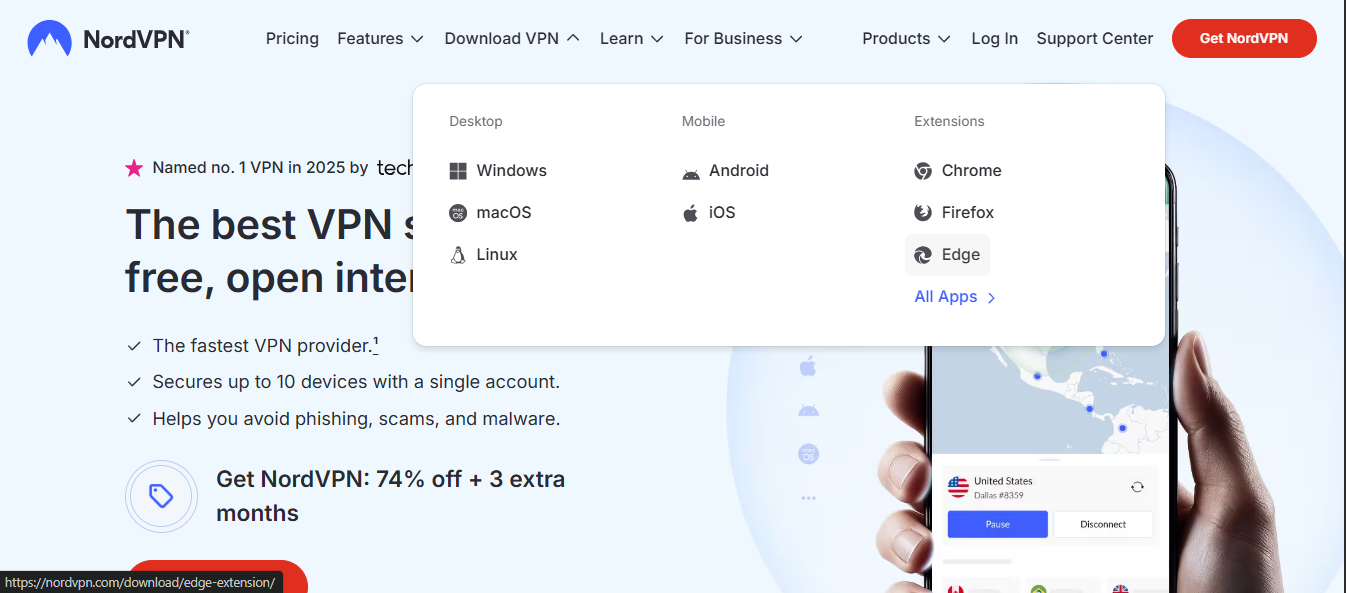
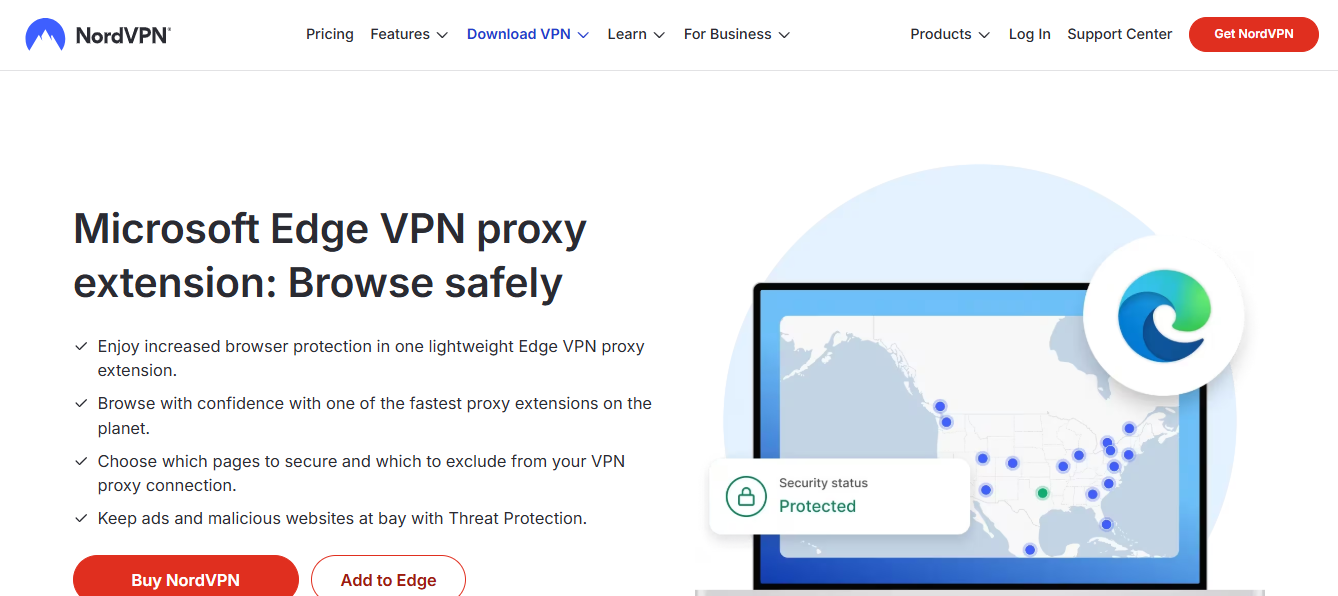
- Abra o Edge e vá até a Microsoft Edge Add-ons store.
- Procure por uma VPN confiável ex.: "NordVPN", "ExpressVPN", "Surfshark" – certifique-se de escolher a extensão oficial.
- Clique em Adicionar ao Edge e confirme as permissões solicitadas.
- Abra a extensão no canto superior direito da barra de ferramentas.
- Faça login com sua conta ou ative teste gratuito, se disponível.
- Escolha um servidor recomendado: próximo de você para melhor velocidade; para desbloqueio, escolha de acordo com o conteúdo desejado.
- Conecte e verifique se o ícone muda para indicar a VPN está ativa.
- Teste o DNS/IP para confirmar que o tráfego está passando pela VPN sites como dnsleaktest.com podem ajudar.
Opção B – Aplicativo dedicado com integração no Edge
- Baixe o aplicativo oficial da VPN escolhida no site do provedor.
- Instale o aplicativo no seu dispositivo.
- Abra o aplicativo e faça login.
- Conecte-se a um servidor desejado.
- No Edge, você pode não precisa de configuração extra; apenas confirme que a conexão global está roteando via VPN.
- Para conectividade segura, ative Kill Switch se disponível para interromper o tráfego caso a VPN caia.
Boas práticas de uso:
- Use sempre Kill Switch quando disponível para impedir vazamento acidental de dados.
- Ative proteção contra vazamento de DNS nas configurações da VPN.
- Em redes públicas, prefira conectividade automática para que a VPN ligue assim que a rede for detectada.
- Para streaming, teste diferentes servidores para encontrar aquele que funciona com o serviço desejado.
Formato de conteúdo adicional para facilitar a leitura:
- Tabela rápida de comparação entre tipos de VPNs
- Lista de verificação para escolher VPN
- Gráfico simples de desempenho latência, velocidade com dados de teste genéricos
Segurança e privacidade ao usar Vpn para Microsoft Edge
Pontos-chave: Vpn on edgerouter: comprehensive setup guide for OpenVPN, IPsec, and remote access on EdgeRouter 2026
- Criptografia de ponta a ponta: AES-256 é o padrão seguro.
- Protocolos confiáveis: WireGuard e OpenVPN são os mais recomendados atualmente.
- Política de logs: procure provedores com políticas de não registro de atividades no-logs.
- Jurisdição: escolha provedores com jurisdições que respeitam privacidade, mas esteja ciente das leis locais.
- Proteção contra vazamento: DNS leak, WebRTC leak e IPv6 leaks são comuns; desative/outrace conforme necessário.
- Kill Switch: protege quando a VPN cai repentinamente; evita exposição de IP real.
Dados úteis sobre segurança:
- Análises independentes de auditoria de privacidade ajudam a confirmar políticas de logs.
- Implementação de split tunneling permite encaminhar apenas tráfego desejado pela VPN, mantendo o restante direto.
VPNs populares e como funcionam com Edge
- NordVPN: ampla rede de servidores, extensões oficiais, forte política de logs.
- ExpressVPN: desempenho estável, bom suporte a diversos dispositivos, extensão Edge confiável.
- Surfshark: custo-benefício excelente, modo CleanWeb para bloquear anúncios maliciosos.
- Private Internet Access PIA: boa reputação de privacidade, opções avançadas de configuração.
- ProtonVPN: foco em privacidade, ótimo em políticas de privacidade abertas.
- VyprVPN: tecnologia proprietária para evitar detecção.
Dicas rápidas:
- Se apenas navegação simples, uma extensão leve pode ser suficiente.
- Para streaming com detectação de VPN, teste diferentes servidores e protocolos.
- Em jogos online, prefira servidores próximos e com menor latência.
Desempenho: velocidade, latência e estabilidade
Dados comuns de desempenho varia por região e plano:
- Latência com VPN: geralmente 10-60 ms a mais do que conexão direta, dependendo do servidor.
- Velocidade de download: pode variar 20-90% da velocidade original; alguns servidores otimizações permitem maior taxa de transferência.
- Estabilidade: planos premium tendem a ter menos quedas e melhor suporte técnico.
Como medir desempenho no seu caso:
- Faça testes de velocidade com e sem VPN por exemplo, Speedtest.net em horários diferentes.
- Teste streaming em diferentes servidores para ver qual oferece menor buffer.
- Verifique jogos online para ver se a latência é aceitável ao usar a VPN.
Guia de resolução de problemas
Problema comum: a página não carrega após conectar. Vpn edgerouter setup guide for secure site-to-site and remote access on Ubiquiti EdgeRouter devices 2026
- Verifique se o servidor escolhido está ativo.
- Confirme se o Kill Switch não está bloqueando o tráfego.
- Desative IPv6 ou habilite proteção contra vazamento de DNS.
- Tente outro protocolo WireGuard vs OpenVPN.
Problema comum: streaming fica com erro.
- Troque de servidor para outro país com suporte de streaming.
- Desabilite o bloqueio de anúncios se a extensão incluir esse recurso.
- Confirme se sua assinatura do serviço de streaming está ativa.
Problema comum: velocidade ruim.
- Escolha um servidor próximo geograficamente.
- Reinicie o aplicativo ou extensão.
- Verifique se há picos de uso na sua rede local.
Perguntas frequentes
O que é VPN e por que usar no Edge?
Uma VPN cria um túnel criptografado entre seu dispositivo e a internet, protegendo dados e possibilitando acessos geograficamente restritos. No Edge, você pode usar extensões oficiais ou aplicativos para manter a privacidade enquanto navega.
VPN para Microsoft Edge é seguro?
Sim, desde que você escolha um provedor confiável com criptografia forte, política de logs clara e recursos como Kill Switch e proteção contra vazamento de DNS.
Posso usar a VPN no Edge sem instalar nada extra?
Sim, com extensões oficiais, você pode adicionar a funcionalidade de VPN diretamente no navegador sem instalar software adicional no sistema. What is k edge 2026
Qual protocolo é o melhor para Edge?
WireGuard geralmente oferece melhor equilíbrio entre velocidade e segurança; OpenVPN é mais estabelecido e compatível em mais situações.
A VPN afeta minha velocidade?
Sim, é comum haver queda de velocidade ou latência aumentada. Bons serviços e servidores próximos podem minimizar esse impacto.
A VPN impede meu provedor de ver o que faço?
A VPN oculta seu tráfego do provedor de internet, mas ainda pode estar sujeita a alguns tipos de coleta conforme políticas locais; use provedores respeitáveis para reduzir riscos.
A VPN funciona em redes públicas?
Sim, é um dos principais usos. Ela protege dados quando você usa Wi-Fi público.
Devo usar Kill Switch?
Recomendo fortemente. Ele corta o tráfego se a VPN cair, evitando vazamentos de IP. Ubiquiti edgerouter x vpn client 2026
VPN free vale a pena?
Free VPNs costumam ter limitações de velocidade, dados, anúncios intrusivos e menos garantias de privacidade. Preferível optar por um serviço pago confiável.
Como sei se estou realmente usando VPN no Edge?
Verifique o ícone da extensão estar ativo e teste com um site de verificação de IP para confirmar que o IP mostrado corresponde à localização da VPN.
Posso usar mais de uma VPN no Edge ao mesmo tempo?
Não é comum nem recomendado competir dois serviços ao mesmo tempo; escolha uma solução estável e confiável.
Tipos de conteúdo adicionais para o canal
- Tutorial em vídeo passo a passo: instalação da extensão Edge, conectando-se a um servidor, teste de velocidade.
- Comparativo entre 3-5 provedores com foco em Edge e desempenho de streaming.
- Dicas de segurança online para usuários leigos, com exemplos práticos do dia a dia.
- Testes de compatibilidade com sites de streaming region-locked.
- Sessão de perguntas e respostas ao vivo com audiência.
Nota sobre SEO e estrutura
- Palavras-chave primárias: Vpn para microsoft edge, VPN Edge, Edge VPN.
- Palavras-chave secundárias: VPN para navegação segura, desbloqueio geográfico Edge, criptografia VPN, proteção em Wi-Fi público.
- Use variações naturais ao longo do conteúdo sem forçar a repetição.
- Estrutura com H2, H3 e listas facilita leitura e indexação.
FAQ detalhado continuação
O Edge suporta qualquer VPN como extensão?
A maioria das extensões funciona, mas é sempre bom confirmar se a extensão é compatível com a versão atual do Edge que você usa. Vpn with edge: the ultimate guide to edge-optimized VPNs for speed, privacy, streaming, and secure remote access in 2026
As VPNs afetam a privacidade do navegador?
Além da proteção de dados, algumas extensões podem coletar dados de uso; prefira provedores com políticas de privacidade transparentes e auditorias independentes.
Posso usar VPN para trabalhos sensíveis?
Sim, desde que a VPN ofereça criptografia forte, Kill Switch e boa reputação de privacidade. Em ambientes corporativos, verifique políticas de TI.
Como escolher servidor para streaming?
Para streaming, procure servidores recomendados pelo provedor para o serviço específico. Teste alguns para ver qual oferece menos buffering.
A VPN pode desbloquear conteúdo de qualquer país?
Em muitos casos sim, mas alguns serviços de streaming detectam e bloqueiam tráfego de VPN. Troque de servidor ou protocolo quando necessário.
Qual é a diferença entre VPN e proxy?
VPN criptografa todo o tráfego do dispositivo; proxy normalmente atua apenas em aplicações específicas e não oferece criptografia abrangente. Ubiquiti edge router vpn 2026
VPN afeta a compatibilidade com sites de banco online?
Pode, especialmente se houver políticas rigorosas de geolocalização. Use a VPN com cautela ao acessar serviços financeiros e desative quando necessário.
Posso usar a VPN em dispositivos móveis com Edge?
Sim, muitos provedores oferecem extensões para Edge em plataformas móveis ou apps independentes que funcionam bem com navegador móvel.
Como manter minha VPN atualizada?
Mantenha o aplicativo/extensão atualizado, habilite atualizações automáticas e revise configurações de privacidade regularmente.
Qual é a melhor prática para dias de viagem?
Instale a VPN com antecedência, salve configurações de servidor confiáveis, use Kill Switch e teste a conexão ao chegar a um novo local.
Observação final Vpn para microsoft edge é uma ferramenta poderosa para quem busca privacidade, acesso a conteúdos geograficamente restritos e proteção em redes públicas. Escolha um provedor respeitável, configure corretamente e mantenha-se informado sobre novas ameaças e melhorias de protocolo. Com as dicas deste guia, você pode navegar no Edge de forma mais segura e eficiente, sem complicações. Which vpn is banned in india 2026
Vpn para microsoft edge: The Ultimate Guide to Using a VPN with Microsoft Edge, Edge Extensions, Secure Network, and System VPN Setup
Yes, you can use a VPN with Microsoft Edge. This guide walks you through how to protect your Edge browsing with a VPN extension, a system-wide VPN, or Edge’s own privacy features, plus practical tips for speed, streaming, security, and everyday browsing. We’ll cover browser extensions, built-in Edge options, setup steps, and real-world usage so you can pick the approach that fits your device and privacy needs. If you’re ready to try a trusted option, NordVPN is currently offering a substantial discount with 77% off plus 3 months free — check it out through the affiliate button below.
Useful resources non-clickable: NordVPN - nordvpn.com, ExpressVPN - expressvpn.com, Surfshark - surfshark.com, Microsoft Edge Secure Network info - support.microsoft.com, Windows VPN setup guide - support.microsoft.com, What is a VPN - en.wikipedia.org/wiki/Virtual_private_network, DNS leaks explained - techrepublic.com, WebRTC leaks and how to prevent them - techjunkie.com
Introduction: what you’ll learn and how to use it
Yes, you can use a VPN with Microsoft Edge. This guide gives you a practical, step-by-step approach to protecting your Edge browsing with a VPN extension, a native Windows VPN, or Edge’s own privacy features. Here’s what you’ll get:
- A clear comparison of three main approaches: Edge extensions, Edge’s Secure Network, and system-wide VPNs, plus when to choose each.
- Step-by-step install and setup tips for popular VPN providers that work well with Edge.
- Real-world advice for streaming, privacy, gaming, travel, and workplace scenarios.
- Troubleshooting tips for common issues like slow speeds, leaks, or blocked content.
- A robust FAQ with practical answers you can use today.
First, a quick reality check: Edge itself doesn’t come with a single built-in “Edge VPN” toggle that covers all traffic. Instead, you’ll generally rely on one of three paths—browser extensions, Edge’s Secure Network a privacy feature, or a Windows-based VPN that covers your whole device. Each method has its own strengths and trade-offs, which we’ll unpack below.
Body
Why use a VPN with Microsoft Edge?
- Privacy and anonymity: A VPN masks your IP address and encrypts your traffic, making it harder for trackers to profile you based on your IP and location.
- Bypass geo-restrictions: If a site or service blocks your region, a VPN can give you a different exit IP in another country, unlocking content.
- Public Wi‑Fi safety: When you’re on coffee shop or airport Wi‑Fi, a VPN adds a layer of security so local networks can’t snoop on your data.
- Access to safer browsing: Some providers include features like malware protection, blocking trackers, and anti-phishing support that apply across your Edge sessions.
A few data points to keep in mind:
- VPNs typically introduce some latency because your data must travel via the VPN server, and encryption adds overhead. Real-world speeds vary by provider, server distance, and your base connection.
- Browser extensions are convenient for Edge users who mainly want privacy on the browser, but they may not encrypt all device traffic unless you’re using a system VPN.
- Edge’s Secure Network provides privacy protection for browsing traffic routed through Edge, but it’s not a full replacement for a VPN if you need to hide your IP for every app on the device.
Edge Secure Network vs. VPN extensions vs. system VPN: a quick comparison
- Edge Secure Network privacy feature: Encrypts and secures traffic within Edge, hides your IP from websites you visit, and blocks trackers in many cases. It’s easy to enable and does not require a separate app, but it’s not a full device-wide VPN and may not work for desktop apps outside Edge.
- VPN extensions Edge-compatible: Installed from a VPN provider that offers a browser extension. They route Edge traffic through the VPN’s servers, but other apps on your device may bypass the VPN unless you use a system-wide VPN.
- System VPN Windows VPN: A VPN app or built-in Windows VPN connection that routes all traffic from the device through the VPN. This is the best option if you want complete device coverage and is ideal for apps beyond Edge games, other browsers, email clients, etc..
When to choose which:
- If your primary concern is browser privacy while browsing in Edge and you don’t want to install full-device software, start with Edge Secure Network or a VPN extension.
- If you want everything on your device protected and you’re comfortable configuring a Windows VPN or installing a VPN app, a system VPN is often the best long-term solution.
- If you’re streaming streaming content or gaming from specific regions, test a VPN extension for Edge first, then compare with a system VPN to see which offers better performance.
Using VPN extensions in Edge: a step-by-step guide
1 Pick a reputable VPN provider
- Look for a provider with a solid privacy policy, a good no-logs claim, strong encryption AES-256, and modern protocols WireGuard or equivalent.
- Popular options include NordVPN, ExpressVPN, Surfshark, and others. They all provide Edge-compatible extensions and detailed setup guides.
2 Install the Edge extension
- Open Edge and go to the provider’s page or search the Microsoft Edge Add-ons store for the provider’s extension.
- Click “Get” or “Install,” then follow on-screen prompts to add the extension to Edge.
- Some providers require you to create an account and log in to activate the extension.
3 Configure the extension
- Open the extension’s panel in Edge and sign in.
- Choose a server location based on your goal: best speed, nearby location, or a country with content you want to access.
- Enable features like kill switch if offered by the provider and DNS leak protection if available.
4 Test the connection
- After connecting, visit a site that shows your IP for example, whatismyipaddress.com to confirm your IP has changed and that the connection is encrypted.
- Run a quick speed test to gauge any performance impact. You’ll likely notice some slowdown compared to your base ISP speed, but good providers minimize this.
5 Use Edge with confidence
- You can browse as you normally would. If you switch locations, your Edge browsing will appear to come from the new region.
- If a site blocks VPNs, switch to a different server or try a different protocol/port if your extension offers that option.
Important notes:
- Extensions only protect Edge traffic. If you use other apps or browsers, you’ll need a system VPN or another solution to protect those channels.
- Some streaming services actively block IP ranges used by VPNs. If you plan to watch geo-restricted content, keep a list of alternate servers handy.
Setting up a system-wide VPN on Windows for Edge
If you want complete coverage, a system VPN is the way to go. Here’s how to set one up on Windows:
1 Choose a VPN service
- Pick a provider with Windows support, a strong privacy stance, and fast servers. The same providers that offer Edge extensions also typically offer a Windows app.
2 Install the VPN app
- Download the official Windows app from the provider’s site and install it.
- Open the app and sign in with your account.
3 Connect to a server
- In the app, choose a server location and click connect.
- For best results, start with a nearby server to minimize latency, then test other locations if content access or speed is an issue.
4 Customize settings
- Enable a kill switch to ensure all traffic stops if the VPN drops.
- Use DNS leak protection to prevent your real DNS from leaking outside the VPN tunnel.
- If available, enable protocol options like WireGuard for better speed and reliability.
5 Verify Edge protection
- Open Edge and browse as usual. Your traffic should now be routed through the VPN, and your real IP should be hidden from the sites you visit.
- Check for IP leaks using a test site and ensure WebRTC is not leaking your IP we’ll cover WebRTC in a later section.
Pros and cons of system VPN:
- Pros: Complete device coverage, works for any app, easier to manage on multiple devices.
- Cons: Might be heavier on system resources, sometimes requires more configuration for advanced features, and some apps may not route through the VPN if misconfigured.
Edge’s built-in privacy feature: Secure Network
Microsoft Edge introduced Secure Network to help protect browsing data by encrypting traffic and masking your IP from sites you visit. It’s a convenient feature for quick privacy boosts but has some caveats:
- It’s browser-focused, not device-wide. Other apps on your device aren’t protected unless you’re using a VPN or a system-wide solution.
- It’s designed to improve privacy in Edge, block trackers, and reduce fingerprinting during Edge sessions.
- In some regions, Secure Network may require a Microsoft account or a subscription tier to unlock the full feature set.
How to enable Edge Secure Network:
- Open Edge Settings > Privacy, search, and services > Security > Secure Network if available.
- Turn it on and configure any related options such as blocking trackers or enabling threat protection.
When to use Secure Network:
- Great for quick privacy boosts during everyday browsing.
- A solid companion to a separate VPN extension or system VPN for layered privacy.
- Not a replacement for a full VPN if you need to hide your IP for all apps or access content beyond Edge.
Choosing the right approach for your needs
- For casual browser privacy in Edge: Start with Edge Secure Network plus a reputable VPN extension for Edge. It’s light and easy.
- For consistent device-wide privacy and access: Use a Windows VPN app system VPN with kill switch and DNS protection. This covers Edge and all other apps.
- For streaming or travel: Test both approaches. Some streaming services detect and block certain VPN IPs, so you may need to switch servers or protocols.
Speed, privacy, and gaming: practical tips
- Choose a fast protocol: WireGuard-based protocols typically offer better speed and modern security compared to older OpenVPN variants.
- Find nearby servers: Latency drops when the server is geographically closer. If you’re gaming or video-calling, proximity matters.
- Test multiple servers: If one server is slow or blocked by a service, connect to another nearby location and test performance.
- Use split tunneling if offered: This lets you route only certain apps through the VPN while other traffic uses your normal connection. It can improve speed for non-privacy-critical tasks.
- Disable WebRTC leaks: In Edge, disable WebRTC features or use browser settings or extensions that block WebRTC leaks to prevent IP leaks while using VPNs.
- Check DNS leaks: Ensure your VPN provides DNS leak protection. you don’t want your DNS queries leaking outside the VPN tunnel.
- Consider a kill switch: A kill switch ensures traffic stops if the VPN drops, preventing unencrypted data exposure.
Privacy and security best practices for Edge users
- Keep Edge and extensions updated: Regular updates fix security vulnerabilities and improve performance.
- Review permissions: Only install extensions from reputable providers. review the permissions they request.
- Use a strong, unique password for your VPN account and enable multi-factor authentication if available.
- Regularly review your IP address and location: If your IP appears to be from unexpected regions for long periods, reassess your connection or server choices.
- Be mindful of mixed content and insecure sites: A VPN doesn’t protect websites that load resources insecurely. Choose HTTPS sites when possible.
Real-world use cases: scenarios you’ll likely encounter
- Traveling and accessing regional content: A VPN helps you appear from a different country, letting you access local libraries, news, or streaming catalogs.
- Replacing public Wi‑Fi risk: In airports or cafés, a VPN adds a layer of security for Edge browsing by encrypting traffic.
- Remote work and privacy: If you’re concerned about employer network monitoring on public devices, a VPN can provide a privacy-friendly browsing experience, though be mindful of company policies.
Troubleshooting common issues
- Slow speeds on VPN: Switch to a nearby server or try a different protocol. Check for background downloads or other bandwidth-heavy apps.
- VPN not connecting: Reboot the VPN app, verify your account status, and check your firewall settings. Ensure there’s no VPN block by your network.
- Edge not routing through VPN: If using a browser extension, confirm the extension is enabled in Edge and that the server is connected. For system VPN, verify the VPN status in Windows and ensure no conflicting VPN profiles exist.
- DNS leaks: Enable DNS leak protection in the VPN app, or switch to a DNS service that supports protection when connected to VPN.
- WebRTC leaks: Disable or configure WebRTC settings in Edge or use a privacy-focused extension to block WebRTC requests.
Best practices for a safe, private Edge browsing experience
- Keep a clean extension lineup: Use only a few trusted VPN extensions and disable or remove unused ones to reduce conflicts and privacy risk.
- Test privacy features: Periodically verify your IP address, DNS, and WebRTC status to ensure your privacy protections are working as expected.
- Combine privacy features: Use Edge Secure Network for browser-level privacy while relying on a robust system VPN for device-wide protection.
FAQ Section
Frequently Asked Questions
# Is VPN legal for Edge users in most places?
Yes. In most countries, using a VPN for lawful activities like private browsing, security on public networks, and accessing region-specific content is legal. Always follow local laws and the terms of service of services you use through the VPN.
# Can I use a VPN extension in Edge without paying for a subscription?
Many providers offer a free tier or a trial period for extensions, but most reliable, privacy-focused features require a paid plan. Free VPNs often have data caps, slower speeds, and fewer server options.
# Does Edge Secure Network replace a VPN?
Not exactly. Edge Secure Network provides browser-level privacy for Edge, but it’s not a full device-wide VPN. For full coverage across all apps, you’ll want a system VPN or a browser extension coupled with a VPN on Windows.
# How do I know if my VPN is leaking my real IP or DNS?
Use test sites like whatismyipaddress.com to verify your IP. For DNS, use DNS leak test sites and ensure your VPN’s DNS requests show the VPN’s DNS servers, not your local ISP’s DNS.
# Which VPN protocol is best for Edge?
WireGuard-based protocols are generally faster and more modern, but the best choice depends on your location, server load, and device. Try a few servers with different protocols to see what works best for you.
# Can I watch Netflix or Disney+ with a VPN in Edge?
Many users can access content via VPNs, but streaming services actively block VPNs from time to time. If you encounter blocks, switch servers or try a different provider with updated IP ranges.
# Will using a VPN slow down Edge browsing?
Usually yes, because data travels further and is encrypted. A high-quality VPN with fast servers and modern protocols minimizes the impact. If you notice a big slowdown, switch servers or adjust settings like protocol.
# Should I use a VPN on Windows if I mostly browse in Edge?
If your goal is blanket privacy and security across all apps, yes. A Windows VPN covers Edge and other apps. If you only want privacy in Edge, a browser extension or Edge Secure Network might be enough.
# How do I disable WebRTC leaks in Edge?
Disable WebRTC in Edge settings via about:flags or through extensions that block WebRTC. Some VPNs also provide built-in protections for WebRTC leaks.
# Can I use a VPN on multiple devices with one subscription?
Yes. Most major VPNs offer multi-device licenses, often covering Windows, macOS, iOS, Android, and sometimes Linux. Check the provider’s plan details for device limits.
# What’s the difference between a free VPN and a paid VPN for Edge?
Free VPNs can be appealing but often come with data caps, slower speeds, fewer servers, and privacy concerns. Paid VPNs typically offer better performance, more privacy features, and stronger security guarantees.
# How do I set up a VPN for Edge on a Chromebook or Mac?
The same general approach applies: install a browser extension from a reputable provider for Edge-related browsing on Chrome-based Edge variants, or install a system VPN app for device-wide protection on macOS, Windows, or Linux.
# Can I rely on Edge’s built-in privacy features alone?
Edge’s privacy features provide useful protection for browsing, but for robust privacy and IP masking across all apps, a VPN extension or system VPN is recommended.
# What should I do if a site detects I’m using a VPN?
Try a different server location, switch protocols, or clear DNS/cache. Some sites actively block VPN IP ranges. rotating servers usually helps.
# How often should I update my VPN extensions or apps?
Keep them updated to the latest version to benefit from security patches, bug fixes, and improved performance.
# Are there differences in performance between Edge extensions and system VPNs?
Yes. VPN extensions only protect Edge traffic, while system VPNs cover all traffic. System VPNs may introduce more overhead, but they provide comprehensive protection and broader access control.
# Can I use a VPN to improve privacy while browsing in incognito mode on Edge?
Yes. A VPN protects your traffic whether you’re in normal or private browsing mode by masking your IP and encrypting traffic. It won’t stop all forms of tracking, so combine with privacy-conscious browsing habits and extensions as needed.
If you found this guide helpful and you’re ready to explore a leading VPN option for Edge, consider trying NordVPN. The current discount offers 77% off plus 3 months free, which can be a great way to start protecting your Edge browsing today. For quick access, use the affiliate option above to learn more and get started.
Edge vpn mod premium: What it is, why it’s risky, and legitimate premium VPN alternatives for safer, faster browsing