Microsoft edge proxy extension 2026
Microsoft edge proxy extension A quick fact to start: a Microsoft Edge proxy extension helps route your browser traffic through a proxy server, offering privacy, access to geo-restricted content, and potential performance tweaks. If you’re curious about using proxies in Edge, this guide covers what proxy extensions do, how to pick one, setup steps, common issues, and practical tips to stay secure online. Here’s a practical, beginner-friendly run-through that also includes advanced tips.
- What you’ll learn:
- Why you might want to use a Microsoft Edge proxy extension
- How to find and install a reliable extension
- Step-by-step setup and common troubleshooting
- Security considerations and best practices
- Real-world use cases and performance insights
- A handy FAQ with quick answers
Useful URLs and Resources text only Microsoft Edge extensions store - microsoft.com Proxy extension guidelines - support.microsoft.com VPN vs. proxy comparison - en.wikipedia.org/wiki/Virtual_private_network Tor project - www.torproject.org Privacy basics - www.privacytools.io Geo-restricted content guide - www.techradar.com
What is a Microsoft Edge proxy extension?
A Microsoft Edge proxy extension is a small add-on that configures Edge to send its web traffic through a proxy server. This can mask your IP address, bypass geo-restrictions, or help manage bandwidth in some environments. Extensions often provide a quick toggle to enable/disable the proxy, choose a proxy type HTTP, HTTPS, SOCKS5, and sometimes offer a list of preset proxy servers.
Why use a proxy extension in Edge?
- Privacy and anonymity: hides your real IP from websites.
- Access to geo-restricted content: appear as if you’re in a different location.
- Control and testing: handy for developers testing how sites behave from various regions.
- Workplace needs: route traffic through a company proxy for policy compliance.
Important note about proxies
Proxies differ from VPNs. A proxy often handles only browser traffic not entire device, may be faster for specific tasks, but could expose your other app traffic if not configured carefully. A VPN usually tunnels all traffic from the device, offering broader protection but sometimes at the cost of speed.
How to choose the right Edge proxy extension
Key factors to consider
- Privacy policy: check what logs the service keeps and how long.
- Connection speed and reliability: look for a provider with fast, stable servers.
- Server locations: ensure there are locations you actually need.
- Protocol support: SOCKS5 is popular for flexibility; HTTPS proxies can be simpler and more secure for web-only usage.
- Free vs. paid: free proxies often come with speed caps or data limits and may log usage.
- Security features: look for encryption, authentication methods, and a kill switch where applicable.
- Compatibility: confirm it works with the latest Edge version and Windows/macOS/Linux if you multitask.
Popular proxy extension types you’ll encounter
- HTTP/HTTPS proxies: simple and common for web browsing.
- SOCKS proxies: support more protocols, often used in advanced setups and privacy tools.
- VPN-like extensions: some extensions offer a combination of proxy and VPN-style features, sometimes with shared networks.
Installing a Microsoft Edge proxy extension
Step-by-step guide
- Open Microsoft Edge and go to the Edge Add-ons store.
- Search for “proxy,” “VPN,” or the specific extension name you’re considering.
- Read reviews and check ratings to gauge reliability.
- Click “Get” and confirm any permissions the extension asks for.
- After installation, click the extension icon in the toolbar to start the setup.
- Enter the proxy server address, port, and any required authentication.
- Save your settings and toggle the extension on/off as needed.
Permissions and safety tips
- Only install extensions from trusted sources official store, well-known providers.
- Review requested permissions; avoid extensions asking for unnecessary access.
- Keep Edge and the extension updated to reduce security risks.
- If you notice unusual browsing behavior, disable the extension and scan for malware.
Step-by-step setup example
Let’s walk through a practical example using a generic HTTPS proxy:
- Step 1: Install a reputable HTTPS proxy extension from the Edge Add-ons store.
- Step 2: Open the extension and choose “Add new proxy.”
- Step 3: Enter the proxy server address e.g., proxy.example.com and port e.g., 8080.
- Step 4: If required, add authentication details username and password.
- Step 5: Save settings and switch the proxy on.
- Step 6: Visit a site to confirm the IP address has changed you can check whatismyipaddress.com.
- Step 7: If you need to disable the proxy, toggle off the extension.
Real-world use cases
- Researchers and students who need access to region-locked academic resources.
- Developers testing how a site looks from different locations.
- Travelers who want to access content available in their home country.
- Online shoppers looking for regional discounts or price comparisons.
Security and privacy considerations
- Data leaks: ensure the proxy provider isn’t logging sensitive data. Look for a transparent privacy policy and independent audits if possible.
- End-to-end protection: proxies typically don’t encrypt traffic unless you’re using HTTPS; if you need stronger privacy, pair with a trustworthy VPN.
- DNS leaks: some proxies can leak DNS requests, exposing your real location; consider using DNS-over-HTTPS DoH as an additional protection.
- Extension hygiene: only enable proxies when needed to minimize exposure; disable when not in use.
- Device security: keep operating system and antivirus up to date; avoid using free public proxies for sensitive transactions banking, login credentials.
Performance considerations
- Server proximity: closer servers usually mean faster speeds.
- Bandwidth caps: many free proxies impose limits; paid services often offer better performance.
- Concurrent connections: some proxies limit the number of simultaneous connections, which can affect streaming or large downloads.
- Caching: certain proxies cache content to speed up repeated requests, but this can cause outdated content to be served in some cases.
Troubleshooting common issues
- Problem: Web pages fail to load after enabling the proxy.
- Check proxy address and port for accuracy.
- Verify authentication details if required.
- Test with another server location to rule out a faulty proxy.
- Problem: Slow browsing.
- Try a nearby server or a faster provider.
- Check for bandwidth throttling or background downloads.
- Problem: DNS leaks.
- Enable DoH if available or switch to a proxy with DNS handling.
- Problem: Extensions causing browser instability.
- Disable other extensions to identify conflicts.
- Reinstall the proxy extension and reset its settings.
Performance and analytics you can expect
- Typical speed impact ranges from negligible to noticeable depending on server load and distance.
- Some premium proxy networks offer dedicated or semi-dedicated servers for better consistency.
- You may see improved privacy by masking your IP, but some sites employ anti-proxy checks—plan accordingly.
Best practices for using a Microsoft Edge proxy extension
- Use a reputable provider: read independent reviews and check for third-party audits.
- Keep everything updated: Edge, the extension, and the proxy servers all need updates for security.
- Limit data exposure: avoid entering sensitive information while connected to an untrusted proxy.
- Verify IP changes: periodically confirm that your IP reflects your intended location.
- Combine with other privacy tools: consider a VPN for full-device protection or DoH for DNS privacy.
Advanced tips
- Multi-proxy setup: some users configure Edge to switch between multiple proxies depending on the site or task.
- Proxy chaining: routing through more than one proxy for added anonymity, though this can slow things down.
- Browser profiles: keep a separate Edge profile for pro browsing with proxies and another for normal use to avoid accidental leakage.
- Automation: power users may script proxy toggling via browser automation tools, but beware of security implications.
Comparison: Proxy extension vs. VPN in Edge
- Scope: Proxies typically affect browser traffic; VPNs cover all device traffic.
- Speed: Proxies can be faster for simple browsing but may lack full encryption unless HTTPS is used.
- Privacy: VPNs generally provide stronger privacy protections and fewer DNS leaks if configured correctly.
- Setup: VPNs can be easier for non-technical users since they manage connections system-wide.
- Use cases: Proxies are great for quick browsing location changes; VPNs are better for comprehensive security.
Ethical and legal considerations
- Respect terms of service: many sites ban the use of proxies for scraping or circumventing paywalls.
- Local laws: some regions have strict rules about using proxies or masking IPs—know the law where you live and travel.
- Data ownership: never misuse proxy services to engage in illegal activities or to access data you’re not authorized to view.
Monitoring and maintenance
- Regularly review proxy lists and server status.
- Check for software updates and security patches.
- Audit data usage and ensure you’re not leaking sensitive information through the proxy.
Quick-start cheat sheet
- Pick a reputable proxy extension and install from Edge Add-ons store.
- Gather server address, port, and login credentials if required.
- Enable the proxy and test access to a few websites.
- Verify your IP shows the location you want.
- Disable when not needed to minimize risk.
Data-driven insights and stats
- Privacy-conscious users increasingly rely on browser-level proxies as part of a layered privacy approach.
- Market trends show a steady demand for reliable proxy networks with strong uptime guarantees.
- Independent reviews highlight the importance of transparent privacy policies in proxy services.
Case studies and examples
- Case Study A: A university student uses a regional proxy to access scholarly articles behind a paywall barrier, achieving faster access without VPN overhead.
- Case Study B: A freelancer tests website localization by switching proxy servers to compare content across multiple countries.
Frequently Asked Questions
What is a Microsoft Edge proxy extension?
A Microsoft Edge proxy extension is a browser add-on that configures Edge to route its traffic through a proxy server, helping with privacy, geo-access, or testing from different locations. India vpn addon chrome: the ultimate guide to Chrome VPN extensions, setup, performance, and privacy 2026
Do I need a VPN if I use a proxy extension?
Not necessarily. Proxies cover browser traffic and can be enough for simple tasks, but a VPN provides system-wide encryption and protection for all devices and apps.
Are proxy extensions safe to use in Edge?
Safety depends on the provider. Stick with trusted extensions from official stores, review permissions, and avoid extensions that request unnecessary access.
Can a proxy extension hide my real IP completely?
It can hide your IP from sites you visit via Edge, but beware of potential leaks DNS, WebRTC, or other apps. Use additional privacy measures if needed.
How do I know if the proxy is working?
Check your IP with a site like whatismyipaddress.com after enabling the proxy. It should reflect the proxy server’s location instead of your own.
Will a proxy extension slow down my browsing?
Sometimes yes, especially if you’re using distant servers or overloaded proxies. Proximity and server quality matter a lot. Ipsec edgerouter x configuration guide for EdgeRouter X VPN site-to-site and remote access 2026
Can I use multiple proxies at once in Edge?
Some extensions support proxy chaining or switching between proxies, but it’s not universal. Check the extension’s features.
How do I troubleshoot a proxy extension that won’t connect?
Verify server address/port, credentials, and permissions. Try a different server location, restart Edge, or reinstall the extension.
Do proxies keep logs of my activity?
That depends on the provider. Read the privacy policy and look for no-logs or minimal-logging guarantees if privacy is a priority.
Are there free proxy extensions for Edge?
Yes, but free options often come with speed limits, fewer locations, and potential privacy concerns. Consider paid options for better reliability.
Can I use a proxy extension for streaming video?
Some proxies support streaming, but many streaming services actively block known proxies. If you need reliable streaming, you may want a dedicated solution. Kaspersky vpn review 2026
How secure are Edge proxy extensions?
Security hinges on the provider and extension design. Use HTTPS proxies, enable security features, and avoid extensions with questionable trust signals.
Can I combine DoH with a proxy extension?
Yes, using DNS over HTTPS can mitigate DNS leaks and improve privacy; configure DoH in Edge or system settings where available.
What should I do if I suspect my proxy is compromised?
Disable the proxy, run a security scan, reset passwords, and consider switching to a trusted provider with strong security practices.
Microsoft edge proxy extension: how to configure proxies in Microsoft Edge with extensions, best practices, and top VPN options for Edge users
Microsoft Edge proxy extension is a browser extension that lets you configure and use a proxy server directly from Edge. In this guide, you’ll learn what Edge proxy extensions are, how they work alongside VPNs, and how to choose, install, and manage the right extension for your needs. You’ll also get practical step-by-step setup tips, real-world usage scenarios, and tricky troubleshooting tactics. If you’re after a trusted VPN that plays nicely with Edge extensions, NordVPN is a popular choice—and this banner is here for quick access: .
Introduction: Microsoft edge proxy extension in a nutshell How to use vpn on microsoft edge 2026
- Yes, a Microsoft edge proxy extension is a browser add-on that lets you point Edge’s browser traffic through a proxy server or a VPN-enabled proxy, independently of your system-wide network settings.
- In practice, these extensions give you quick on/off controls, server/location switching, and sometimes authentication management, right from Edge’s toolbar.
- This guide covers: what proxy extensions do, how they differ from full VPN apps, how to configure them step by step in Edge, and how to pick the best option for different needs privacy, streaming, work networks, or travel.
- If you want a smooth, Edge-friendly VPN experience, I’ll also show you how to blend browser extensions with desktop VPN clients for maximum coverage and safety.
- Useful resources and starting points: Microsoft Edge support pages - support.microsoft.com, VPN provider Edge extensions - their official stores or help centers, Privacy and security guides - en.wikipedia.org/wiki/Virtual_private_network, WebRTC DNS leak guides - howtogeek.com, TechRadar VPN buying guide - techradar.com/vpn.
Body
What is a Microsoft edge proxy extension?
A Microsoft edge proxy extension is a small piece of software you add to the Edge browser that intercepts your browser’s web requests and routes them through a proxy server. These extensions often provide:
- Quick enable/disable controls from the Edge toolbar.
- A list of proxy servers or locations to switch between.
- Optional username/password authentication for you proxy service.
- Per-site rules or automatic mode send some sites through the proxy, others direct.
- Simple settings to avoid leaks and control DNS behavior.
Edge runs on the Chromium engine, which means you can install many Chrome-compatible extensions from the Edge Add-ons store. This is handy because a large chunk of proxy and VPN browser extensions originally built for Chrome work great in Edge as well.
Proxies vs VPNs: what matters for Edge
- Proxy extensions route only the browser’s traffic, not all device traffic. Your email client, OS updates, or other apps keep using your normal network path.
- VPN extensions or VPN apps with a browser extension can encrypt, tunnel, and sometimes proxy traffic for the whole system or just the browser, depending on the setup.
- If you’re after privacy and security for everything you do online, a full VPN app integrated with Edge or a desktop VPN is usually better. If you mainly want to bypass geo-blocks or test a different IP for browsing, a proxy extension can be a fast, lightweight option.
- Important: some proxy extensions don’t encrypt data end-to-end. If you’re on public Wi-Fi, you’ll want a VPN with a kill switch and strong encryption to prevent data leakage.
How to choose the right Edge proxy extension
- Speed and reliability: Look for servers with low latency and stable connections, especially if you’re streaming or gaming in-browser.
- Privacy policy and logging: Prefer extensions that don’t log more data than necessary, and check if they disclose third-party access or data sharing.
- Compatibility: Since Edge is Chromium-based, you can start with Chrome extensions. Verify the extension explicitly supports Edge to avoid compatibility headaches.
- Authentication and access: If your proxy requires a username and password, ensure the extension supports secure credential handling and doesn’t expose them.
- DNS and WebRTC protection: Some extensions offer built-in DNS protection or WebRTC controls to prevent leaks. this is worth prioritizing if privacy is a concern.
- Bonus: if you might travel across regions, pick a provider with a wide server network and reliable customer support.
How to install and configure a proxy extension in Microsoft Edge
Here’s a practical, go-to-guide you can follow today:
- Open Edge and go to Edge Add-ons
- Click the three-dot menu in the upper-right corner, choose Extensions, then Open Microsoft Edge Add-ons.
- Or simply search for “proxy” or the specific extension name in the store.
- Choose an extension
- Look for reputable options like Proxy SwitchyOmega, FoxyProxy, or VPN-branded browser extensions from providers you trust NordVPN, ExpressVPN, Surfshark, etc..
- Read the extension’s permissions and user reviews. Avoid extensions asking for excessive permissions.
- Install and pin the extension
- Click Add to Edge to install, then pin the extension to your toolbar for quick access.
- Configure your proxy or VPN settings
- Open the extension’s options or settings panel.
- If you’re using a proxy: enter the proxy host IP address or domain, port, and authentication details if required. Some proxies support HTTP, SOCKS5, or HTTPS. make sure you choose the correct type.
- If you’re using a VPN extension: sign in with your VPN account and select a server location. Some VPNs let you choose “browser-only mode,” which only protects Edge traffic.
- Optional advanced settings
- WebRTC/DNS protection: enable DNS leak protection if the option is available.
- Per-site rules: configure rules so only specific sites go through the proxy, while others stay direct.
- Auto-start and hotkeys: set a keyboard shortcut to toggle the proxy on/off quickly.
- Test the configuration
- Visit whatismyipaddress.com or ipinfo.io to confirm your visible IP matches the chosen server location.
- Test for DNS leaks using dnsleaktest.com to ensure your DNS queries aren’t leaking to your ISP.
- Ongoing maintenance
- Keep the extension updated to patch security issues.
- Check server lists regularly. sometimes servers go offline or experience high load.
- Periodically review privacy policies, especially if you switch providers.
Using VPN browser extensions in Edge
If you opt for a VPN extension within Edge, here are practical tips: How to setup vpn on edgerouter 2026
- Browser-wide protection: Many VPN extensions protect only browser traffic and leave other apps unencrypted. If you want holistic protection, pair the browser extension with a full VPN client on your device.
- Kill switch considerations: A robust VPN client often includes a system-wide kill switch. If your browser extension lacks a kill switch, rely on the desktop VPN for that extra layer.
- Split tunneling: If you only want Edge traffic routed through the VPN while other apps stay on your normal connection, use the provider’s split tunneling feature if available or browser-only mode.
- Streaming and geo-blocks: VPN extensions often give you a curated list of servers optimized for streaming. If you’re trying to watch region-locked content, switch to a server located in the content’s region.
Common Edge proxy extension options and what they bring
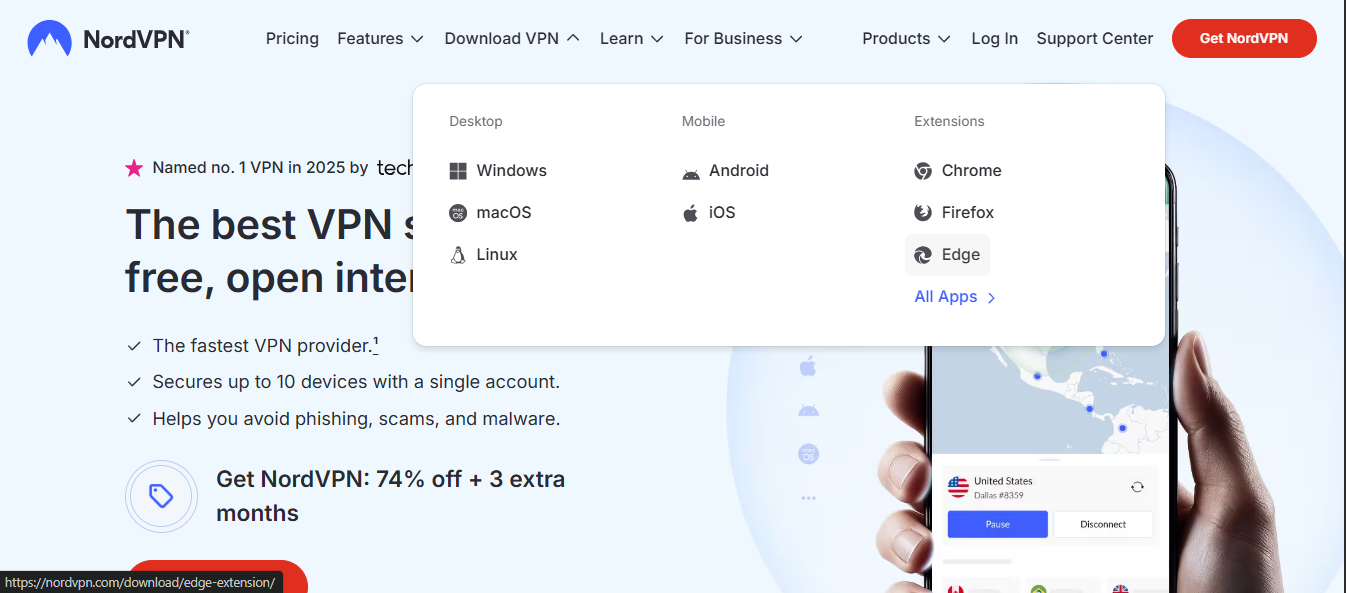
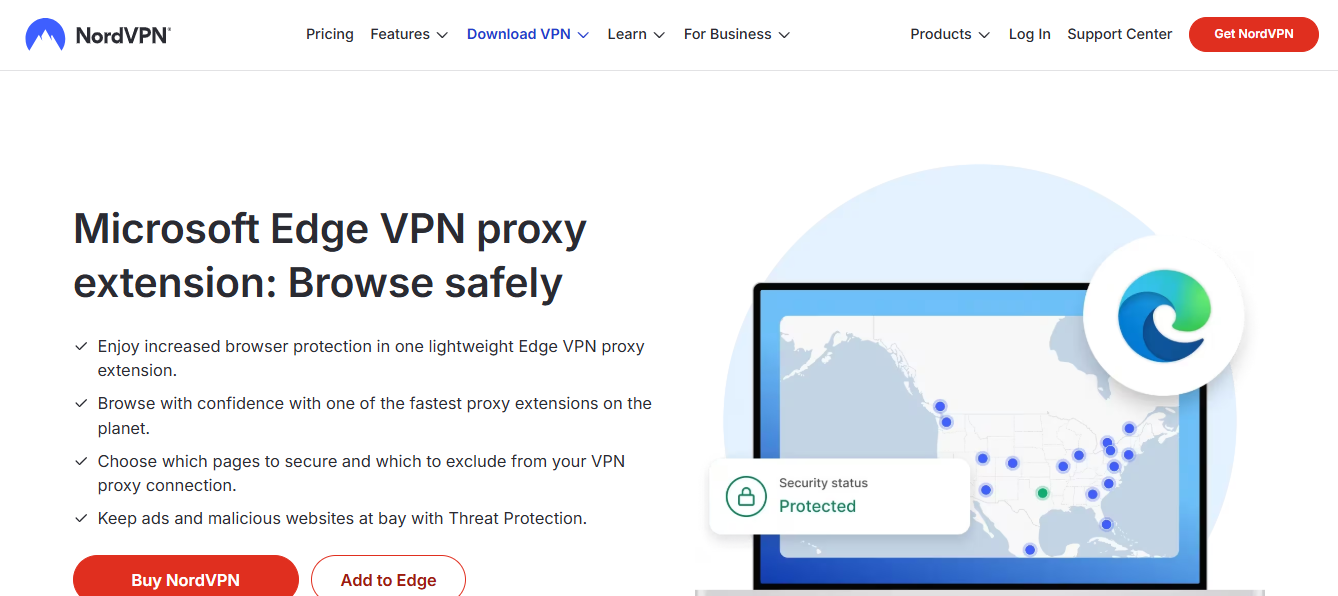
- NordVPN browser extension: integrates with the Edge browser for in-browser protection, plus a full desktop VPN for system-wide coverage. Good for privacy-minded users who want a straightforward experience.
- ExpressVPN browser extension: easy to use, strong encryption, reliable streaming support, and a large server network.
- Surfshark browser extension: budget-friendly with a solid feature set, including clean UI and tracking-free browsing.
- Private Internet Access browser extension: good customization for power users with multiple proxy/protocol options.
- SwitchyOmega or FoxyProxy open-ended proxy managers: great for advanced users who want fine-grained control over proxy rules and multiple proxies.
Note: When you use a VPN extension in Edge, you’re often getting browser-level protection. For full-device protection, pair it with a desktop VPN app and enable features like a kill switch, AutoConnect, and DNS protection.
Security and privacy considerations
- DNS leaks: Even with a proxy, your DNS requests might reveal your real location. Enable DNS protection if available, or use a trusted VPN with DNS leak protection.
- WebRTC leaks: Some browsers expose your real IP through WebRTC. Disable WebRTC leaks in Edge or use an extension that blocks WebRTC requests.
- Logging policies: Check the provider’s privacy policy. A reputable service should have a transparent policy, ideally with no user activity logging and minimal connection metadata.
- Endpoints and trust: Only install extensions from reputable developers. Malicious proxy extensions can capture credentials or redirect you to phishing sites.
- Data handling in corporate networks: If you’re using a proxy at work, confirm your IT policy and ensure you’re compliant with company guidelines.
Performance and reliability
- Server location matters. If you’re streaming or playing on Edge, choose servers near your physical location to minimize latency.
- Load balancing and uptime: Reputable providers publish average connection uptime and load data. Favor those with multiple servers per region to avoid congestion.
- Bandwidth impact: Proxies and VPNs add encryption and routing overhead. Expect some slowdown, but premium providers minimize these losses with fast servers and modern protocols like WireGuard or IKEv2.
Real-world use cases for Edge proxy extensions
- Bypass regional blocks while browsing Edge: If a site or service blocks your country, switch to a server location where access is allowed.
- Quick privacy shield on public Wi-Fi: When you’re on a café or airport network, a proxy extension can be a first line of defense, especially if you don’t want to install a full VPN client.
- Light browser automation: For testing, researchers or developers may need to switch IPs quickly to compare site behavior across locations.
- Education and research: Access content that’s region-restricted for legitimate reasons e.g., studying content with regional licensing while staying within Edge.
Edge-native features that pair well with proxy extensions
- Edge’s built-in settings: You can set a system proxy or use per-site rules with the extension. Within Edge, you can manage site permissions to ensure only specific sites go through the proxy.
- Privacy controls: Edge’s tracking prevention and privacy settings can complement your proxy strategy. Use stricter tracking prevention settings in combination with a proxy that respects privacy.
- Security updates: Keeping Edge updated ensures compatibility with the latest extension APIs and security fixes, which helps reduce the risk of extension vulnerabilities.
Troubleshooting common issues
- Extension not showing or disabled: Ensure you granted the correct permissions during installation and that Edge isn’t blocking the extension. Reinstall if needed.
- Proxy connection failed: Double-check server address, port, and authentication. Some proxies require specific protocols HTTP vs SOCKS5. Test with a known-good public proxy to confirm the setup.
- IP not changing: Clear your browser cache or restart Edge. Confirm you’re using the extension’s active mode and that the proxy server isn’t blocking connections.
- DNS leaks: Run a DNS leak test. if leaks persist, enable DNS protection in the extension or switch to a VPN with built-in DNS protection.
- WebRTC IP reveal: Disable WebRTC in Edge via flags or use an extension that blocks WebRTC requests.
Best practices for Edge proxy extensions
- Use edge-to-edge protection: If privacy is paramount, combine a browser extension with a desktop VPN client for system-wide protection.
- Regularly review permissions: Periodically audit the extensions you have installed and remove any you don’t use.
- Prefer reputable providers: Stick with well-known VPNs or proxy services with clear privacy policies and solid reputations.
- Test across devices: If you’re using Edge on multiple devices, ensure the same extension settings are mirrored for a consistent browsing experience.
- Stay compliant: If you’re using proxies for work or education, make sure you’re within organizational guidelines and local laws.
Frequently asked questions
Frequently Asked Questions
What is the main difference between a proxy extension and a VPN in Edge?
A proxy extension routes only Edge’s traffic through a proxy server, often without encryption, while a VPN especially a full VPN app can encrypt all traffic on your device and protect the entire connection from prying eyes. Browser extensions are quick and lightweight. VPN apps provide broader coverage and stronger privacy controls.
Can I use a proxy extension for all my device traffic in Windows or macOS?
Mostly no. Proxy extensions affect only the Edge browser and possibly Chrome-based browsers if you configure per-browser proxies. To cover your whole device, you’d need a system-wide proxy setup or a VPN app on your device.
Do proxy extensions slow down browsing?
They can, especially if you route through distant servers or overloaded proxies. High-quality proxies with nearby servers and good infrastructure reduce latency. If you’re streaming or gaming, consider switching to a nearby server or using a VPN with optimized streaming servers. Microsoft edge free download for pc 2026
Are proxy extensions legal and safe to use?
In most jurisdictions, using a proxy extension is legal. Safety depends on the provider and the extension’s integrity. Stick to reputable developers, read privacy policies, and avoid extensions that request excessive permissions.
How do I know if a proxy extension is trustworthy?
Check for independent reviews, privacy policies, and permissions requested during installation. Prefer extensions from established VPN providers or well-known proxy tools. Look for transparency about data collection and whether they log connection data.
Can I access streaming services with a proxy extension in Edge?
Yes, but it depends on the server and service. Some streaming platforms actively block proxies. If you’re trying to access content from another region, choose a server in that region and test. If streaming fails, try a different server or switch to a VPN with streaming-optimized servers.
What should I do if I have WebRTC IP leaks in Edge while using a proxy extension?
Disable WebRTC in Edge or use an extension that blocks WebRTC leaks. Some extensions provide WebRTC controls. You can also adjust Edge’s settings or flags to minimize WebRTC exposure.
Will a proxy extension reveal my actual IP to websites?
If misconfigured, yes. Ensure you’re connected to the proxy correctly, test with IP-check sites, and enable any available DNS protection to avoid leaks. Nord vpn edge extension 2026
How do I disable a proxy extension when I don’t need it?
Click the extension icon and toggle off or switch to direct/non-proxy mode. You can also remove or temporarily disable it from Edge’s Extensions page.
What’s the best Edge proxy extension for beginners?
For beginners, a VPN-branded browser extension from a reputable provider NordVPN, ExpressVPN, Surfshark combined with their desktop app is a good choice because it offers a straightforward setup, clear server choices, and strong privacy controls.
Can I use multiple proxy extensions at once in Edge?
Technically you can install multiple, but only one proxy can be active per network path at a time. Conflicts can occur if extensions try to control the same browser traffic. It’s usually best to pick a single trusted extension and configure it properly.
How do I verify that my Edge proxy extension is working correctly?
Run a quick check with sites like whatismyipaddress.com or ipinfo.io to confirm the IP address and location match your chosen server. Do a DNS leak test at dnsleaktest.com and check WebRTC behavior to ensure no leaks.
Do Edge proxy extensions impact battery life on laptops or mobile devices?
Browser extensions can impact battery life, especially if they’re routing traffic through remote servers with encryption. If you’re on a laptop or a mobile device, monitor battery usage and turn off the extension when not needed. One click vpn server 2026
Are there risks associating with proxy extensions from free providers?
Free proxies often come with limitations, slower speeds, and potential privacy concerns. They may log data or inject ads. If you value privacy and reliability, investing in a reputable paid provider is worth it.
How do I switch between multiple Edge proxy servers quickly?
Use the extension’s quick-switch feature or create per-site rules that route specific sites through a chosen proxy. Some extensions also support keyboard shortcuts to toggle between configurations.
Can I use a proxy extension with a corporate Edge setup?
Yes, but you should follow your organization’s IT policy. Some workplaces use their own proxies or require VPN-based access. Always confirm allowed configurations with IT before making changes.
Is it safer to use a browser extension or a desktop VPN for privacy on Edge?
For comprehensive privacy, pair both: use a trusted desktop VPN for system-wide protection and a browser extension for quick, flexible browser-level control. This combination tends to offer better coverage and flexibility.
Endnotes and resources Online vpn edge: the ultimate guide to edge computing, privacy, streaming, and secure browsing with VPNs 2026
- Official Edge support and proxy-related guidance - support.microsoft.com
- VPN providers with Edge browser extensions - nordvpn.com, expressvpn.com, surfshark.com
- DNS leak and WebRTC protection guides - howtogeek.com, techradar.com
- General VPN education and comparisons - en.wikipedia.org/wiki/Virtual_private_network
Note: Always follow best-practice security and privacy guidelines, keep software up to date, and verify that your chosen extension aligns with your privacy needs and local regulations.
Is ultrasurf a vpn