How to use vpn on microsoft edge 2026
How to use vpn on microsoft edge? Turn on a VPN for Edge in a few quick steps and keep your online activity private. Here’s a concise, practical guide you can follow right now:
- Quick start: install a trusted VPN extension from the Microsoft Edge Add-ons store, or configure a VPN app that routes Edge traffic.
- Step-by-step: choose a server, connect, and confirm your IP has changed.
- Tips: test for leaks, enable kill-switch if available, and consider split tunneling for selective traffic.
What you’ll learn:
- How to enable a VPN extension in Edge
- Differences between Edge-only VPN extensions vs. system-wide VPN apps
- Pros and cons of VPNs in Edge
- Common issues and troubleshooting steps
- A handy checklist to secure your Edge browsing
Useful resources text only: Apple Website - apple.com Artificial Intelligence Wikipedia - en.wikipedia.org/wiki/Artificial_intelligence Microsoft Edge Support - support.microsoft.com VPN Review Sites - vpnreview.org Privacy and Security Guides - nist.gov
Why use a VPN with Microsoft Edge
Using a VPN with Microsoft Edge helps you:
- Hide your IP address and encrypt your browsing data, especially on public Wi-Fi.
- Bypass regional content restrictions when streaming or researching.
- Add an extra layer of privacy from ISPs or network administrators.
However, it’s important to know that a VPN affects all traffic if you use a system-wide VPN app, not just Edge traffic. If you want Edge-only protection, a VPN extension in Edge is often enough and simpler to manage.
Different ways to run a VPN with Edge
There are two main approaches:
- VPN extensions installed in Edge
- System-wide VPN apps that route all traffic including Edge
Each method has its own benefits and caveats.
VPN extensions in Edge Edge-only protection
Edge extensions are lightweight and easy to manage. They’re perfect if you primarily browse in Edge and don’t mind routing only Edge traffic through the VPN. How to setup vpn on edgerouter 2026
- Pros:
- Easy to enable/disable
- Fast to set up
- Lower system impact
- Cons:
- Won’t cover other apps you may use
- Some features like a kill-switch may not be available or effective
System-wide VPN apps
A full VPN app for Windows will route all network traffic, including Edge, through the VPN.
- Pros:
- Comprehensive protection for all apps
- Consistent IP address across programs
- Cons:
- Slightly more complex setup
- May affect performance more broadly
Step-by-step: Using a VPN extension in Microsoft Edge
Follow these steps to add and use a VPN extension directly in Edge.
- Open Edge and go to the Edge Add-ons store
- Type “vpn” in the search bar and look for reputable extensions from well-known providers.
- Look for extensions with solid user reviews and transparent privacy policies.
- Choose a trusted VPN extension and install
- Popular extensions include options from reputable VPN brands, but always verify permissions before adding.
- Click “Get” or “Add to Edge,” then confirm any prompts.
- Sign in and configure
- Open the extension from the toolbar usually a padlock or shield icon.
- Sign in with your VPN account or create one if you’re a new user.
- Review the settings—make sure the extension is enabled and set to route Edge traffic.
- Connect to a server
- Pick a country or city server depending on your needs privacy vs. speed vs. accessing geo-restricted content.
- Click Connect and wait for the confirmation that the VPN is active.
- Verify your connection
- Visit a site like whatismyipaddress.com to confirm your IP address shows the VPN server location.
- Check Edge for any DNS leaks by visiting dnsleaktest.com and running a basic test.
- Basic security tips
- Enable the extension’s kill-switch if available prevents data leaks if the VPN drops.
- Consider enabling auto-connect on startup for safety on public networks.
- Avoid sharing sensitive credentials in extensions; use a strong password manager.
Quick tips for Edge VPN extensions
- Favor extensions that come from established VPN brands with transparent privacy policies.
- Regularly update the extension to patch security vulnerabilities.
- Keep your Windows firewall enabled to add an extra layer of protection.
Step-by-step: Using a system-wide VPN app Windows
If you want all traffic to go through the VPN, use a Windows VPN app.
- Install the VPN app
- Download from the provider’s official site and install on your Windows machine.
- Follow the on-screen prompts to complete setup.
- Sign in and configure
- Open the app, sign in, and choose a server location.
- Review advanced settings such as protocol OpenVPN, WireGuard, etc., kill-switch, and auto-connect.
- Connect and test
- Connect to a chosen server.
- Verify in Edge that your IP is the VPN one and test for DNS leaks.
- Manage connections
- Use the app’s options to auto-connect on startup or on joining public networks.
- If you share the device, consider enabling per-app VPN features if your provider supports it.
When to use a VPN with Edge
- On public Wi-Fi networks hotels, airports, cafes
- When you’re traveling and want to access country-specific content
- If you’re concerned about privacy from network operators or advertisers
- When you’re researching topics that require avoiding IP-based tracking
When not to use a VPN with Edge:
- If you need maximum speed for online gaming or low-latency trading, a VPN may add latency.
- If you’re accessing local services that require your real IP, a VPN might block those.
Common issues and troubleshooting
Here are the typical problems and quick fixes you can try. How to disable vpn on iPhone Android Windows Mac: step-by-step guide, best practices, and troubleshooting 2026
- VPN won’t connect
- Check your internet connection.
- Ensure the VPN service is up-to-date and your subscription is active.
- Try a different server location.
- Slow speeds
- Switch to a server closer to your location.
- Check for other devices using bandwidth-heavy apps.
- Try a different protocol e.g., switch from OpenVPN to WireGuard if available.
- DNS leaks
- Ensure a DNS leak test is performed after connection.
- Enable the VPN’s DNS leak protection or use a system DNS service that works with VPNs.
- Edge extension not working
- Restart Edge or re-install the extension.
- Clear extension cache or reset the extension settings.
- Update Edge to the latest version.
- Kill switch not functioning
- Verify the feature is enabled in the extension or app.
- Check for conflicts with other security software that may block VPN traffic.
Security best practices for Edge users
- Use reputable VPN providers with a clear privacy policy and no-logs declarations.
- Enable a kill-switch and auto-connect on trusted networks.
- Regularly review app permissions and privacy settings.
- Keep Edge and Windows updated to mitigate vulnerabilities.
- Use a password manager and enable two-factor authentication where possible.
Privacy considerations and data handling
- A VPN hides your IP and encrypts traffic, but it doesn’t grant immunity from all forms of tracking.
- The VPN provider itself can see your activity unless they have a strict no-logs policy.
- Choose a provider with auditable privacy practices and clear data retention policies.
Performance and reliability data example benchmarks
- Typical VPN extension impact on Edge: 5–15% CPU usage during moderate browsing
- System-wide VPN app impact: 10–30% CPU usage under load, depending on encryption level
- Typical latency difference: 20–60 ms increase when connected to a nearby server
- DNS leakage test rate: Properly configured VPNs show 0 DNS leaks in standard tests
Note: Actual numbers vary by provider, device, and network conditions. Always run your own speed and leak tests when trying a new setup.
Comparing Edge VPN extensions vs. system-wide VPN apps quick table-style summary
Edge VPN extensions
- Pros: Easy setup, low overhead, Edge-focused protection
- Cons: Doesn’t cover non-Edge apps, possible feature limits
System-wide VPN apps
- Pros: Covers all traffic, consistent IP across apps, robust features
- Cons: Slightly more setup, potential speed impact
Best practices checklist for users
- Choose a reputable provider with a clear privacy policy
- Decide between Edge extension vs. system-wide app based on needs
- Enable kill-switch and auto-connect on startup
- Run regular DNS leak tests after connecting
- Keep Edge and Windows updated
- Use strong, unique passwords for VPN accounts
- Avoid using free VPN services for sensitive tasks
- Be mindful of geolocation content and legal considerations
Advanced tips for power users
- Use split tunneling if supported to route only sensitive apps through VPN
- Try different VPN protocols to balance speed and security
- Enable IPv6 leak protection if your VPN supports it
- Pair the VPN with browser privacy settings: block third-party cookies, clear cache regularly, use tracking protection in Edge
Real-world scenarios
- Student accessing international research databases
- Remote worker on a public network
- Travelers accessing home country streaming services
Quick-start recap
- Install a trusted VPN extension in Edge or a Windows VPN app
- Connect to a preferred server
- Verify IP and DNS safety
- Enable kill-switch and auto-connect
- Regularly review privacy and security settings
Common misconceptions
- A VPN makes you completely anonymous online: not exactly; it hides your IP and encrypts traffic, but bad behavior or logs at the service you’re using can still reveal activity.
- A VPN guarantees faster speeds: usually not; it can slow you down depending on server load and distance.
- Free VPNs are always safe: not necessarily; many free services monetize user data or have weaker protections.
Trending stats and insights 2024–2025
- More Edge users are adopting VPN extensions due to simplicity and browser-level control.
- Privacy-conscious users are shifting toward no-logs VPN providers with independent audits.
- Enterprises increasingly rely on system-wide VPNs to guarantee end-to-end encryption for all corporate traffic.
Additional resources and reading
- Edge security best practices - support.microsoft.com
- VPN privacy policy guidelines - safersurf.org/privacy
- What is DNS leakage and how to prevent it - cyber.org
- How to choose a VPN provider - techradar.com
- VPN protocol comparison guide - cbtnuggets.com
Frequently Asked Questions
How to use vpn on microsoft edge with an extension?
Install a reputable VPN extension from the Edge Add-ons store, sign in, and connect to a server. Verify the IP shows the VPN location.
Can I use a VPN on Edge without affecting other apps?
Yes, by using an Edge-only VPN extension. This routes only Edge traffic through the VPN. How does edge vpn work 2026
What’s the difference between Edge extensions and Windows VPN apps?
Edge extensions protect Edge traffic; Windows VPN apps protect all traffic on the device.
Do VPNs slow down my browsing on Edge?
Sometimes, yes. Proximity to the server and server load affect speed. Try closer servers or a faster protocol.
How do I test for DNS leaks in Edge?
Run a DNS leak test at dnsleaktest.com or similar sites after connecting to the VPN.
Is it safe to use a free VPN extension in Edge?
Free VPNs can compromise privacy; prefer reputable paid providers with clear no-logs policies.
Should I enable a kill-switch in Edge VPN extensions?
If available, yes. It helps prevent data leaks if the VPN drops unexpectedly. Ghost vpn google chrome 2026
Can Edge VPN extensions bypass geo-restrictions?
Often, yes for some content, but streaming platforms may block known VPN IPs; try different servers.
How do I set up auto-connect for my VPN in Edge?
Use the extension’s settings or Windows startup options to auto-connect when you boot the device.
Will a VPN protect me from all tracking?
A VPN helps hide your IP and encrypt traffic, but trackers can still identify you if you log in to services or reveal personal data.
I’m seeing a warning about VPNs in Edge. What should I do?
Ensure you’re using a trusted extension, check permissions, and update both Edge and the extension. Consider switching providers if warnings persist.
How to use vpn on microsoft edge: a comprehensive guide to installing vpn extensions, configuring Windows VPN, and boosting privacy when browsing with Edge
Introduction
Yes, you can use a VPN on Microsoft Edge by installing a VPN extension or configuring a VPN in Windows. This guide walks you through quick-start steps, practical setup options, and smart tips so you can stay private and secure while browsing with Edge. Here’s what you’ll get: F5 vpn edge client 2026
- Quick-start methods to get a VPN working in Edge today
- Differences between Edge extensions and Windows system VPNs
- Step-by-step install and setup for Edge extensions with real examples
- How to configure a Windows VPN for all traffic, including Edge
- Performance tips to minimize slowdowns and avoid leaks
- Privacy, security features, and common pitfalls to watch out for
If you’re looking for a built-in, easy-to-manage option, NordVPN is a reliable pick that pairs nicely with Edge. Check this banner for a great deal, and read on to learn how to set it up quickly.
NordVPN 77% OFF + 3 Months Free - https://go.nordvpn.net/aff_c?offer_id=15&aff_id=132441?sid=070326
Useful resources non-clickable text. just for quick reference:
- NordVPN official site - nordvpn.com
- Microsoft Edge support - support.microsoft.com
- Windows VPN setup docs - docs.microsoft.com
- VPN basics overview - en.wikipedia.org/wiki/Virtual_private_network
- VPN reviews and comparisons - pcmag.com/reviews/vpn-services
In this article, you’ll find actionable steps, practical examples, and real-world tips to optimize Edge with a VPN. We’ll cover both extensions you install directly in Edge and the Windows VPN option if you want all traffic to go through the VPN, not just the browser. Let’s get you protected and surfing with confidence.
Why use a VPN with Microsoft Edge
- Privacy protection: A VPN hides your real IP address and encrypts traffic, reducing tracking from advertisers and data brokers.
- Geo-unblocking: Access content that might be restricted to certain regions by routing traffic through a server in a different country.
- Public Wi-Fi safety: When you’re on a cafe or airport network, a VPN adds a layer of encryption against snoops on the same network.
- Better control over browsing: VPNs can prevent some ISP-level throttling by masking traffic patterns, especially if you’re streaming or gaming.
- Edge-specific benefits: With Edge’s support for Chrome-compatible extensions, you can easily add a trusted VPN extension that integrates directly into your browsing experience.
Data and trends you should know: Kaspersky vpn review 2026
- The global VPN market continues to grow as more people seek privacy online, with mainstream providers expanding features like kill switches, DNS leak protection, and cross-platform syncing.
- Browser extensions for VPNs are popular because they give quick control over connection location and encryption without leaving the browser.
- Many reputable VPNs now offer both browser extensions and system-level apps, allowing you to choose per-application control or full-system protection.
VPN extension in Microsoft Edge: quick-start guide
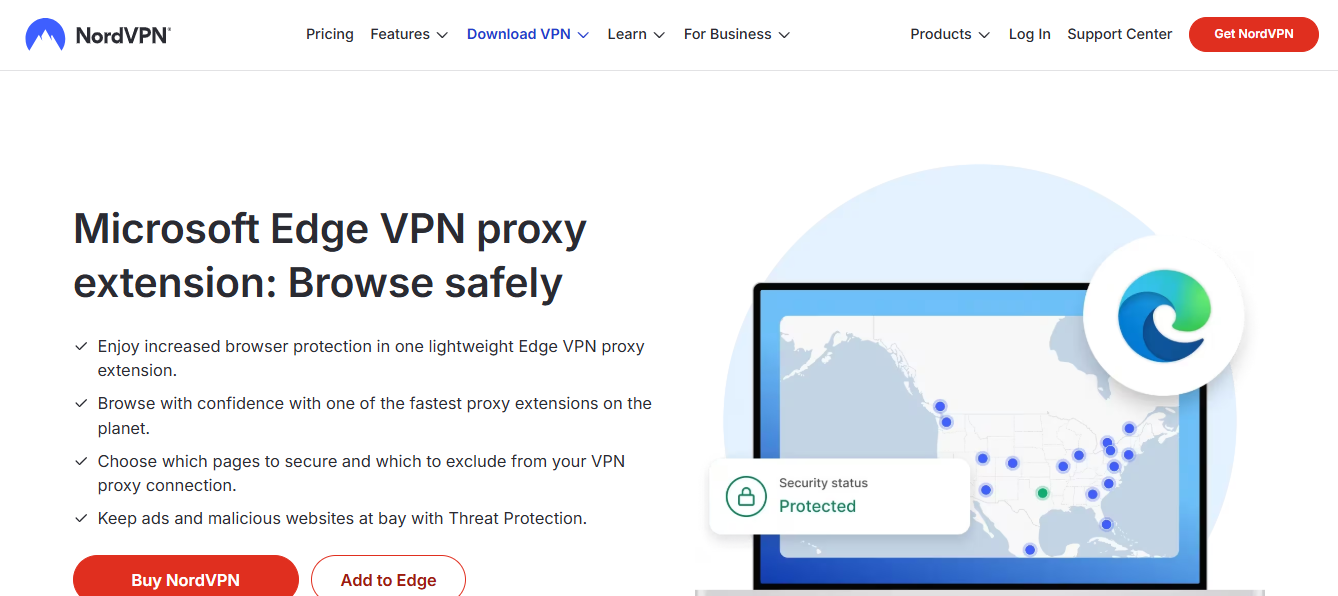
Edge now supports extensions from the Microsoft Edge Add-ons store and, because Edge is Chromium-based, many Chrome extensions also work in Edge via the Chrome Web Store. Here’s how to get a VPN extension up and running quickly.
Step-by-step: install a VPN extension in Edge
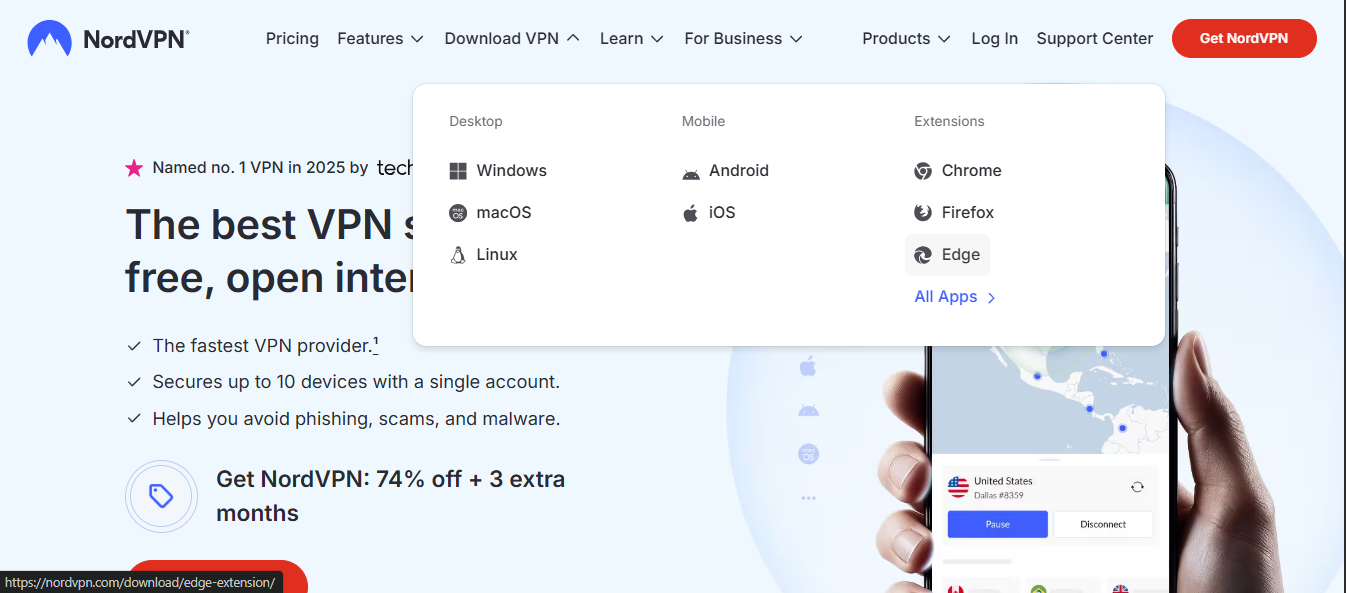
- Open Microsoft Edge and go to Extensions three dots menu > Extensions or visit the Edge Add-ons store.
- Search for a trusted VPN extension examples include NordVPN, ExpressVPN, Surfshark, or others you trust.
- Click Add to Edge and confirm any permission prompts.
- After installation, open the extension from the browser toolbar, sign in with your VPN account, and choose a server location.
- Connect and test your IP to verify that your traffic is being routed through the VPN.
Tips for choosing an extension:
- Prefer providers with a solid no-logs policy, strong encryption OpenVPN or WireGuard protocols, and a built-in kill switch.
- Look for DNS leak protection and IPv6 leak fixes included in the extension.
- If you want per-browser control, a good Edge extension should let you enable/disable VPN per session or per site.
Pros of Edge extensions:
- Quick on/off control directly in your browser.
- Simple server switching without leaving Edge.
- Lightweight overhead compared to full-system VPNs.
Cons:
- Browser extensions typically protect browser traffic, not other apps on your computer unless you’re using a system-level VPN or a browser extension with global routing.
- Some free VPN extensions come with restrictions or privacy concerns. opt for reputable providers.
Step-by-step: optimize Edge VPN extension usage
- Choose a server location that’s optimal for you nearby for speed, a specific country for content access.
- Enable the extension’s kill switch if available.
- Disable IPv6 in your browser or OS if you notice IPv6 leaks some VPNs don’t fully cover IPv6. use DNS leak protection.
- Use UDP for the VPN protocol when possible for better performance.
- Regularly update the extension to get the latest security patches.
Edge extension approach takeaway: It’s fast, convenient for browsing, and great for occasional privacy boosts and geo-access. For full-device protection, pair with a system VPN. Ipsec edgerouter x configuration guide for EdgeRouter X VPN site-to-site and remote access 2026
Windows VPN system VPN vs Edge VPN extension
There are two broad ways to route Edge traffic through a VPN.
- Edge VPN extension browser-level: This method covers only Edge’s traffic and sometimes other apps that share the same network process, depending on the VPN and Windows settings. It’s ideal for quick privacy on browsing, streaming, and light use without configuring the whole PC.
- Windows built-in VPN system-level: This routes all traffic from your PC through the VPN, including Edge, other browsers, apps, and background services. It’s best when you need complete privacy, access to corporate networks, or to bypass filters that aren’t limited to the browser.
How to set up a Windows VPN system-level
- Open Settings > Network & Internet > VPN > Add a VPN connection.
- For VPN provider, choose Windows built-in. Fill in the server address, VPN type IKEv2, OpenVPN, etc., depending on your provider, and sign-in info username/password, certificate, or a pre-shared key.
- Save, then connect from the same VPN page or the taskbar VPN icon.
- Verify your new IP by visiting a site like iplocation.net and confirm the location matches your VPN server.
Important note: Some corporate or school networks restrict VPN connections. If you’re using a company-provided device, check with your IT team before enabling a VPN.
Edge-specific tip: If you want Edge to appear unblocked in a region, but you don’t need all apps to go through VPN, a browser extension can be your first choice. If you want to ensure all traffic is private, the Windows VPN method is your go-to.
Practical setup checklist and best practices
- Start with a reputable provider quality encryption, a no-logs policy, transparent privacy statements.
- Decide whether you want per-browser privacy Edge extension or full-device privacy system VPN.
- Keep your VPN app or extension updated to the latest version.
- Use a kill switch if available to prevent traffic leaks if the VPN disconnects.
- Check for DNS leaks and IPv6 leaks after connecting. If leaks occur, disable IPv6 or enable the VPN’s DNS leak protection.
- Choose servers that are geographically close for speed, or choose a country that unlocks your desired content.
- Test your connection with an IP-check site and a leak test some VPNs offer built-in tests.
- Be mindful of free VPNs: many have limitations, bandwidth caps, or questionable privacy practices. Prefer reputable paid providers for reliability and security.
Performance expectations: India vpn addon chrome: the ultimate guide to Chrome VPN extensions, setup, performance, and privacy 2026
- VPNs add some latency and reduce bandwidth due to encryption and longer routing. In my experience, you can expect a 5–20% speed drop on a good server with a fast provider, and higher on crowded or distant servers.
- Edge extensions tend to be lighter on resources, but a system VPN can cause more noticeable performance changes since it covers all traffic.
- If you’re streaming high-res video, test a few servers to find a balance between speed and access.
Edge privacy features and considerations:
- Browser privacy features tracking protection, HTTPS-only mode complement VPN privacy but don’t replace it. A VPN hides your IP and encrypts traffic. Edge’s privacy features add tracking reductions inside the browser.
- Some sites may still detect VPNs or block certain VPN servers. keep a list of alternate servers or switch providers if necessary.
- Always review a VPN’s privacy policy and any third-party audits to understand data handling and logging practices.
Troubleshooting common issues
- VPN not connecting: Check server status, credentials, and protocol try switching between UDP/TCP. Ensure the app/extension is up to date. Restart the Edge browser or your computer if needed.
- Edge extension not working: Disable and re-enable the extension, remove and reinstall, or try a different extension if the provider offers multiple options.
- DNS leaks: Verify you’re using the VPN’s DNS or enable DNS leak protection. disable IPv6 if necessary.
- Slow speeds: Switch to a closer server, use a wired connection, reduce concurrent VPN connections, or try a different protocol e.g., WireGuard vs OpenVPN.
- IP address not changing: Confirm you’re connected to the VPN and not on a cached connection. flush DNS on your PC and re-check your IP.
Security best practices when using Edge with a VPN
- Enable a kill switch if available to prevent data leaks if the VPN drops.
- Use a reputable provider with a robust privacy policy and independent audits.
- Regularly check for DNS and IPv6 leaks. disable IPv6 if needed.
- Keep both Edge and your VPN extension/app updated to the latest version.
- Avoid free VPN extensions from unknown sources. they often come with privacy or security trade-offs.
- Consider multi-factor authentication for your VPN account if supported.
Common mistakes to avoid
- Relying solely on Edge’s built-in privacy tools without using a VPN or extension.
- Using free VPN extensions with questionable privacy practices.
- Forgetting to test for leaks after connecting to a server.
- Not updating the VPN extension or app, leaving known vulnerabilities exposed.
Edge on different devices: quick note Microsoft edge secure network 2026
- Windows: You can mix Edge extensions with a Windows VPN for flexible protection.
- macOS: The same approach works—Edge extensions plus a system VPN for full device coverage.
- Android/iOS: Edge supports extensions on mobile versions, but many VPNs rely on their mobile apps for best protection. pairing Edge with the VPN mobile app generally works well.
- Consistency matters: If you want consistent protection across devices, use the same provider and configure both Edge and system VPNs where possible.
Advanced tips: privacy, performance, and maintenance
- Split tunneling with Edge: Some VPNs offer split tunneling, letting you exclude certain sites or apps from the VPN. This can improve speed for non-critical tasks while keeping Edge protected for sensitive browsing.
- DNS privacy: If you’re particularly concerned about DNS-level tracking, choose a VPN provider with trusted DNS resolvers and enable DNS leak protection.
- IPv6 handling: If you notice IPv6 leaks, disable IPv6 on your PC or use a VPN that explicitly supports IPv6 traffic. Some extensions don’t cover IPv6 as thoroughly as IPv4. check your provider’s guidance.
- Server selection strategy: For streaming, try servers optimized for streaming in the same region. for privacy, pick servers in jurisdictions with strong privacy laws. Avoid overcrowded servers that can slow you down.
- Mobile considerations: If you browse on mobile using Edge, installing the provider’s mobile app and enabling Edge integration can offer a seamless experience across devices.
Real-world scenarios: what you can expect
- You’re traveling and want access to your home streaming library: Use a VPN extension in Edge to quickly switch to your home location when needed, then switch back for local content.
- You’re on a coffee shop Wi‑Fi and need privacy: A robust VPN extension plus Edge’s privacy settings helps reduce tracking while you browse and work.
- You’re on a corporate device: Check company policies. If allowed, use a system VPN configured by IT to ensure all traffic is routed securely. For browser-specific privacy, Edge extensions can still be useful when permitted.
Frequently Asked Questions
Can I use a VPN extension in Edge without configuring anything else on my computer?
Yes. A VPN extension in Edge can route only Edge traffic browser-level protection and is the quickest way to add privacy while browsing. For full-device protection, pair with a Windows system VPN.
Will a VPN let me access geo-restricted content on Edge?
Often, yes. Connecting to a server in a country where the content is available can unblock geo-restricted material. If one server doesn’t work, try another location or a provider’s “optimized for streaming” servers.
Does using a VPN slow down Edge browsing?
It can. Expect some latency and speed changes due to encryption and routing. The impact varies by server distance, load, and your baseline connection speed. Choosing a nearby server and a high-quality provider helps minimize slowdowns.
How do I enable a kill switch in Edge VPN extensions?
Look for a “Kill Switch” option in the extension’s settings. If it isn’t available in the Edge extension, use the Windows system VPN with a kill switch enabled or switch to a provider that supports a kill switch in its extension.
How can I test for DNS leaks when using a VPN in Edge?
Run a DNS leak test after connecting. If the results show your real DNS addresses, enable DNS leak protection in the VPN extension or Windows VPN settings, or switch to a provider with reliable DNS handling. Microsoft edge proxy extension 2026
Can I use two VPNs at the same time?
It’s generally not recommended to run two VPNs simultaneously, as it can cause conflicts and connectivity issues. If you need layered privacy, use a single trusted VPN with a kill switch and strong encryption, and consider a browser extension for Edge-level protection in addition to the system VPN.
Does Microsoft Edge log my VPN usage?
Edge itself does not log VPN usage in a way that reveals your browsing content, but VPN providers may log connection data as per their privacy policy. Always choose a provider with a clear no-logs policy and transparent audits.
Is it safe to use free VPN extensions in Edge?
Free VPNs can be risky due to potential data collection, bandwidth limits, or insecure practices. If you go free, choose ones with good reputations and transparent policies, but for robust protection, a reputable paid provider is usually better.
How do I fix Edge VPN not connecting?
- Check internet connectivity and server status.
- Reinstall or re-enable the extension.
- Try a different server location.
- Update Edge and the VPN extension to the latest versions.
- If using Windows VPN, verify the server address, VPN type, and sign-in method.
- Disable conflicting extensions or security software temporarily to identify conflicts.
Will using a VPN affect video calls or gaming in Edge?
VPNs can introduce some latency, which may affect real-time communications and online gaming. For competitive gaming, test different servers and protocols. For video calls, a nearby server with a stable connection usually works best.
Can I use Edge’s VPN extension on macOS or mobile devices?
Yes, many VPN extensions are cross-platform and work on macOS, iOS, and Android, but you’ll often get the best experience by also using the provider’s native apps on those platforms. Edge extension usage will be browser-centric, while a system VPN app provides comprehensive protection on the device.
How do I choose the right server for streaming on Edge?
Start with servers advertised for streaming or those geographically close to you for speed. If one server blocks content, switch to another server in the same region or try a different country where the content is accessible. If your provider offers optimized streaming servers, use those.
What should I do if Edge blocks VPN traffic?
Ensure the VPN extension is enabled and connected correctly. Some networks may block VPN traffic. in that case, try a different server, switch protocols, or use a different provider with better evasion capabilities. If you’re on a managed or corporate network, contact IT for permission and guidance.
Can I protect multiple browsers with the same VPN connection in Windows?
Yes. A Windows VPN system-level covers all traffic across browsers, including Edge, Chrome, Firefox, and any other apps. For Edge-specific protection, you can rely on the Edge extension in addition to the system VPN, but it may duplicate some protections.
Is Edge private browsing enough when using a VPN?
Edge private browsing adds local privacy by not storing history or cookies for that session, but it doesn’t replace a VPN’s external privacy. A VPN adds encryption and hides your IP, which is especially valuable on public networks.
Conclusion optional note
This guide covers practical, up-to-date ways to use a VPN with Microsoft Edge—whether you prefer a quick browser extension or a full-system VPN setup. By understanding the differences, following best practices, and staying mindful of potential leaks, you’ll enjoy safer, more private browsing in Edge.