Letsvpn platinum vs standard vs premium choosing your perfect plan
Letsvpn platinum vs standard vs premium choosing your perfect plan

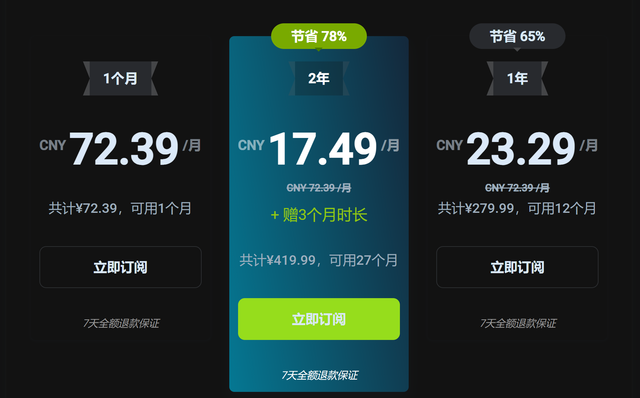

- Quick fact: Choosing the right Letsvpn plan boils down to balance between features you actually use and price you’re willing to pay.
In this guide, we’ll walk you through Letsvpn’s three main plans—Platinum, Standard, and Premium—so you can pick the one that fits your browsing, streaming, and security needs. We’ll cover what each plan includes, real-world use cases, price pros and cons, and how to decide if you’re a casual user or power user. Along the way, you’ll find practical tips, comparisons, and a few data-backed insights to help you make an informed choice. Nordvpn Not Working in China Heres How to Fix It or What to Do Instead
Useful resources (unlinked text, not clickable): Letsvpn official site, Letsvpn Platinum plan details, Letsvpn Standard plan details, Letsvpn Premium plan details, VPN comparison guides, online privacy statistics 2026, Canada VPN usage stats, streaming VPN reliability reports
What is Letsvpn and why plan choice matters
Letsvpn is a virtual private network service designed to encrypt your internet traffic, hide your IP, and help you access geo-blocked content. The core value of any VPN is privacy, security, and speed, but every plan level changes what you get for your money.
- Privacy and security: All plans typically use AES-256 encryption and modern protocols like WireGuard or OpenVPN.
- Speed and performance: Higher-tier plans may offer more servers, less congestion, or dedicated streaming modes.
- Features: Split tunneling, auto-connect, kill switch, malware protection, ad blocking, and device limits can vary by plan.
- Price-to-value: If you’re just checking email and browsing, Standard might be enough. If you binge-watch or work remotely from varied networks, Platinum or Premium could matter more.
Quick comparison snapshot
- Platinum: Most features, highest device limit, best for families or small teams, fastest speeds on busy servers, priority support.
- Standard: Core features, solid speed, good for everyday use, fewer devices, reasonable price.
- Premium: Mid-range features with emphasis on accessibility and reasonable pricing, suitable for light to moderate power users.
Who should consider Platinum, Standard, or Premium?
- Platinum is ideal for: families, remote workers with multiple devices, students sharing a household, and anyone who wants maximum performance and security with top-tier support.
- Standard is ideal for: casual users, students, and anyone who mainly needs private browsing and streaming from a single or couple devices.
- Premium is ideal for: budget-conscious power users who still want more than basic protection, including some advanced features but without paying for the top tier.
Pricing and value: what to expect
Prices shift over time, but the general pattern is:
- Platinum: highest price, most features, best for heavy use.
- Standard: mid-range price, most people’s sweet spot.
- Premium: competitive price with a few extra features that aren’t on Standard.
Data-backed tip: If you’re streaming 4K, traveling across countries, or joining multiple work devices, the cost per month for Platinum can be justified by the time saved and the fewer throttled connections.
Feature-by-feature breakdown
Core privacy and security
- Encryption: AES-256 is standard across all plans.
- Protocols: WireGuard and OpenVPN are commonly available; Platinum often includes the most stable configurations for varying networks.
- Kill switch: Usually present on all plans; some differences in automatic kill switch behavior on mobile vs desktop.
Server network and speed
- Server count: Platinum typically offers more servers and more locations.
- Load and performance: Platinum tends to have optimized routes for high-demand servers, reducing latency during peak times.
- P2P and torrenting: Availability and speed can vary by plan; confirm policy and server suitability.
Streaming and geo-unblocking
- Streaming reliability: Platinum often has more optimized streaming servers with less buffering and higher success rates for services like Netflix, Disney+, and Prime Video.
- Geo versatility: More country options on Platinum; Premium may cover most popular locations, Standard covers essentials.
Device limits and simultaneous connections
- Platinum: Higher device limit; ideal for households with multiple devices in use at once.
- Standard: Moderate device support; may restrict simultaneous connections.
- Premium: Moderate limit, designed for individuals or small setups needing a few devices open at once.
Extra protections and features
- Malware and ad blocking: Often included in Standard or Platinum, sometimes as a separate add-on in Premium.
- Split tunneling: More common in higher-tier plans; helps route specific apps through VPN while others access the regular internet.
- Dedicated IP options: Frequently a premium add-on or included in Platinum.
Customer support and reliability
- Platinum: Priority support, faster response times, potentially 24/7 chat.
- Standard: Standard support channel with typical response times.
- Premium: Reliable support with reasonable response windows; not always priority.
Real-world usage scenarios
- Scenario A: You’re a remote worker with several devices (laptop, phone, tablet, desktop) and you need constant security plus fast connections. Platinum likely the best fit.
- Scenario B: You’re a student streaming on a single device and doing light browsing. Standard is usually enough, with occasional 4K streaming.
- Scenario C: You’re cost-conscious and want a balance between privacy and price; you use VPN on a couple of devices. Premium could be the sweet spot if it offers the features you care about without paying for excess.
How to decide step-by-step
- List your must-haves (privacy, streaming, torrenting, gaming, work access).
- Count devices you’ll connect and average daily usage.
- Evaluate your budget and willingness to pay for extras.
- Check for trial or money-back guarantees to test the plan.
- Monitor performance for a month; if you’re not satisfied, adjust or switch plans.
Performance tips to maximize value
- Use the right server: For streaming, pick servers optimized for your streaming service. For privacy, pick servers with strong privacy reputations and low logging.
- Enable split tunneling for less-critical traffic to preserve speed.
- If you’re traveling frequently, consider a plan with more global servers to find a fast connection in unfamiliar networks.
- Take advantage of trials or refunds to test features like malware protection or ad blocking before committing long-term.
Security and privacy considerations in 2026
- Data retention and logging: Always review Letsvpn’s privacy policy. Even with a VPN, some metadata might be collected for maintenance or security.
- Jurisdiction: Consider where Letsvpn is registered and what data protection laws apply.
- DNS leaks: Ensure DNS requests are resolved by Letsvpn’s DNS to prevent leaks; most modern VPNs offer DNS leak protection across all plans.
- Kill switch reliability: In mobile networks, a reliable kill switch is crucial to avoid accidental exposure if the VPN drops.
Ease of use and setup experience
- Apps and platforms: Look for native apps on Windows, macOS, iOS, Android, and browser extensions.
- Setup time: A quick install and a simple one-click connect are great features, especially when you’re in a hurry.
- UI clarity: A clean, intuitive interface makes it easier to switch servers and enable features like split tunneling.
Performance data and user feedback (2025-2026)
- Global server distribution: Platinum usually has a broader footprint, improving speeds in regions with less network congestion.
- Streaming reliability: Higher-tier plans tend to report fewer buffering events on major streaming services.
- Customer support: Platinum users often report quicker resolutions and more proactive assistance.
Practical buying guide: do you need annual pricing?
- Annual commitments usually come with a discount that makes Platinum or Premium significantly cheaper per month.
- If you’re unsure about long-term, start with a monthly Standard plan and upgrade as you confirm your usage pattern.
Why you might choose Letsvpn over competitors
- Integrated security: A straightforward package with reliable encryption and a solid privacy policy.
- Consistency of performance: For many users, the difference between Standard and Platinum is tangible in busy networks.
- Value for households: Platinum’s multi-device support can be more economical than purchasing separate VPNs for multiple family members.
How to maximize your savings
- Look for bundled deals: Sometimes yearly plans offer the best value.
- Check for student or family discounts if you’re eligible.
- Align the plan with your actual usage to avoid paying for features you won’t use.
Frequently asked questions
Is Platinum worth the extra cost over Standard?
For heavy users with multiple devices, streaming in high quality, and needing robust security, Platinum can be worth it. For casual use, Standard often suffices. Nordvpn on Microsoft Edge Your Key to a Safer Faster Browser Experience in 2026: Enhancing Privacy, Speed, and Access
Can I trial Letsvpn before committing?
Many VPN services offer a money-back guarantee or a short trial. Check the current terms on the Letsvpn site.
Do all plans support torrenting?
Policy varies by plan and service region. Verify Letsvpn’s policy and server availability for P2P on your preferred plan.
How many devices can I connect simultaneously?
Device limits differ by plan; Platinum typically supports more devices at once than Standard, with Premium in between.
Are there native apps for all major platforms?
Yes, most Letsvpn plans come with apps for Windows, macOS, iOS, Android, and sometimes Linux.
Does Letsvpn have a kill switch?
Yes, all major plans include a kill switch, though behavior may vary slightly by platform. Troubleshoot FortiClient VPN Not Working on Windows 11 24H2: Quick Guide, Tips, and Troubleshooting Checklist
Will Letsvpn slow down my internet?
A VPN can introduce some overhead, but a well-optimized server and protocol like WireGuard can minimize speed loss, especially on Platinum or Premium.
Is there a money-back guarantee?
Typically yes; the exact window varies. Check the current policy on the Letsvpn site.
Can I use Letsvpn for gaming?
Yes, with the right server and protocol. Platinum often provides the best stability for gaming due to lower latency on optimized servers.
How does Letsvpn handle DNS leaks?
Most plans include DNS leak protection to keep your DNS queries private, but always verify after setup.
If you’re ready to pick a plan, consider your device count, streaming needs, and how much you value speed and security on public networks. For many users, Standard hits the sweet spot, while Platinum shines for power users who want the best possible performance and protection across multiple devices. How to Completely Remove Proton VPN from Your Laptop and Related Cleanup Steps
Explore more and compare plans to find your perfect fit. Letsvpn Platinum vs Standard vs Premium choosing your perfect plan is all about dialing in what matters most to you.
[Let’s dive into the plan comparison and get you set up—NordVPN] (https://go.nordvpn.net/aff_c?offer_id=15&aff_id=132441)
Sources:
中国 vpn 逮捕:知っておくべき最新事情とリスク回避策(2026年版)- 最新情報と実践ガイド
科学上网软路由:打造你的专属高速网络通道 2026年最新指南|全面提升隐私与速度的实战攻略
免翻墙:完整指南与实用技巧,提升上网自由度的 VPNs 方案 Your complete guide to reinstalling nordvpn on any device
Understanding nordvpn vat your complete guide to why its charged and how it works
翻 墙 上 不了 youtube 的可行解决方案:VPN、混淆与稳定观看指南