The Windscribe VPN Extension: Your Browser's Best Friend for Privacy and Security
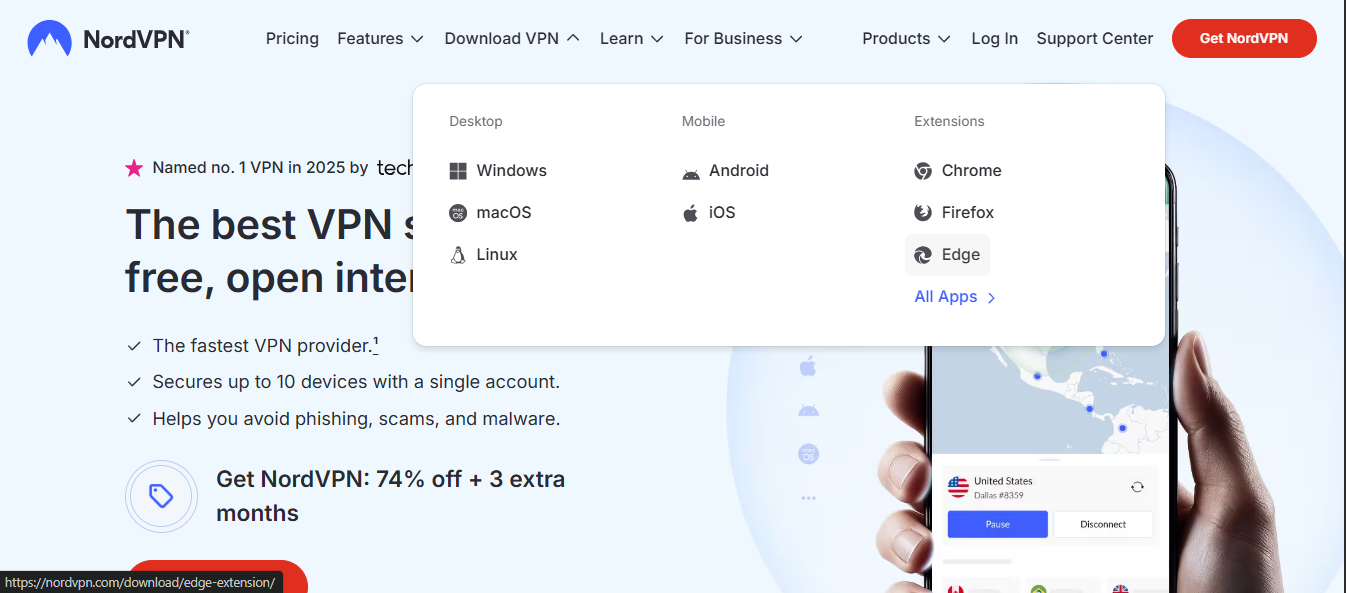
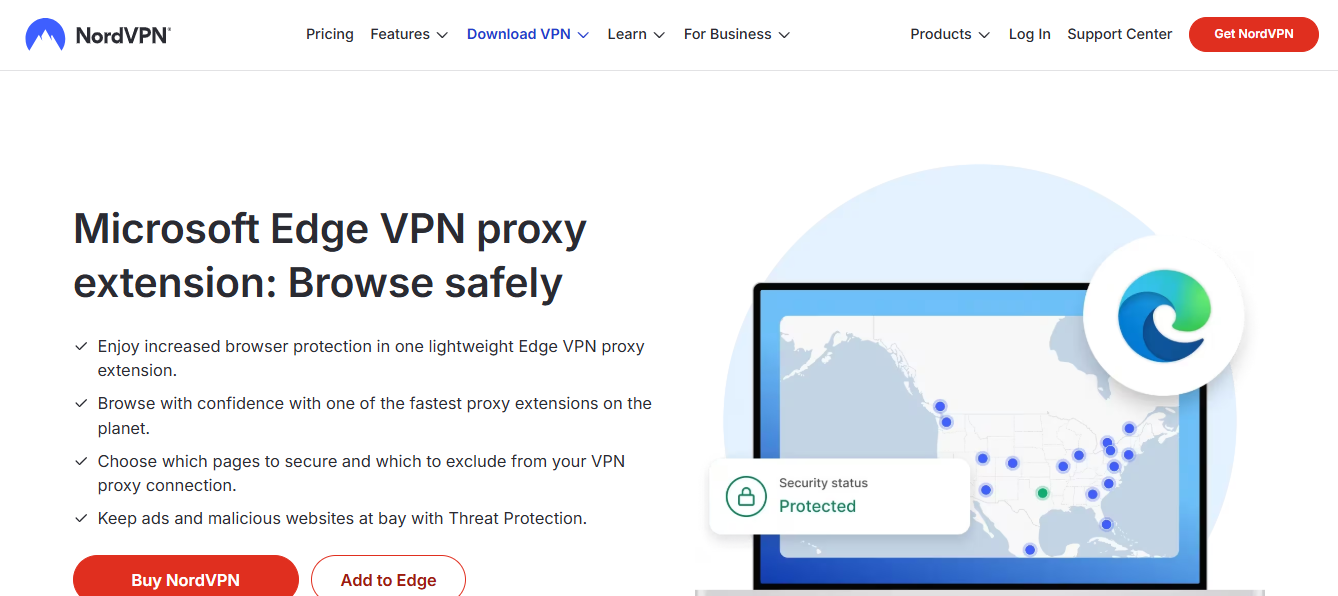

The windscribe vpn extension your browsers best friend for privacy and security is a quick summary of why this tool matters: it extends strong privacy protections right into your daily browsing, helps you bypass geo-restrictions, and keeps your data safer on public networks. If you’re watching videos, shopping, or handling sensitive info on a coffee shop Wi-Fi, this extension can be a simple, effective shield. In this guide, you’ll get a practical, balanced view—what it does, how to use it, and what to watch out for—so you can decide if it’s a good fit for your online life. And yes, I’ll sprinkle in practical tips, real-world examples, and a few quick steps you can take today.


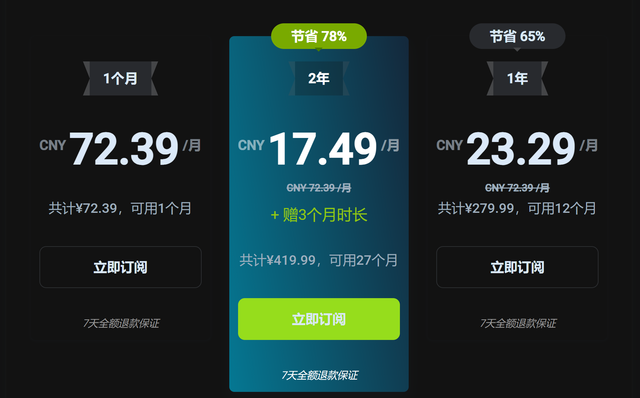

Useful resources and quick reads you might want to check out later unlinked text format for reference:
- Apple Website - apple.com
- NordVPN Deals - nordvpn.com
- Windscribe VPN Official - windscribe.com
- Wikipedia Privacy - en.wikipedia.org/wiki/Privacy
Introduction: quick-start guide to The Windscribe VPN Extension
- Quick fact: Windscribe’s browser extension adds an extra privacy layer directly in your browser without requiring a separate app.
- What you’ll get in this guide:
- How the extension works with popular browsers
- Key features you should know about
- Setup steps and best practices
- Real-world use cases and limitations
- Pro tips to maximize protection while staying fast
- Format highlights:
- Quick-start checklist
- Feature deep-dive advantages and drawbacks
- Step-by-step setup for Chrome, Firefox, and Edge
- Troubleshooting and performance tips
- FAQ with practical answers
- Resources text only: Apple Website - apple.com, Windscribe Official - windscribe.com, Wikipedia Privacy - en.wikipedia.org/wiki/Privacy, NordVPN Deals - nordvpn.com
What is the Windscribe VPN extension?
The Windscribe VPN extension is a browser-based privacy tool that creates a secure tunnel for your web traffic right from within your browser. It encrypts your data, hides your IP address, and can bypass certain regional restrictions. It’s designed to be lightweight, easy to toggle on and off, and compatible with major browsers like Chrome, Firefox, and Edge.
Key benefits:
- Encryption for browser traffic: AES-256 encryption protects data in transit from prying eyes on unsecured networks.
- IP masking: Your real IP is hidden behind Windscribe’s servers, helping reduce tracking.
- Geo-unblocking: Access region-restricted content in some cases.
- Ad and tracker blocking depending on plan: Some versions offer embedded content blocking to improve privacy.
How it compares to full VPN clients:
- Browser-only protection is faster and less resource-intensive.
- It won’t encrypt non-browser apps or system-level traffic unless you use Windscribe’s full desktop app.
- It’s a good lightweight layer if you primarily browse and stream in-browser.
How Windscribe extension works in practice
In practice, the extension creates a secure channel for traffic that flows through your browser. When you enable the extension:
- The browser routes your HTTPS requests through Windscribe’s servers where available.
- DNS requests may be resolved through Windscribe’s DNS, preventing some DNS leaks.
- WebRTC leaks: Browsers can reveal your real IP through WebRTC; Windscribe has settings to help mitigate this.
Common use cases: Why Your VPN ISNT Working with HBO Max and How to Fix It: Quick Guide to Get Back to Your Shows with Fewer Hiccups
- Public Wi‑Fi safety: When you’re at a cafe or library, the extension adds a privacy layer to browser traffic.
- Geo-restricted content: If Windscribe’s servers in a certain region are closer to streaming services, you might get better access—though performance can vary.
- Lightweight privacy boost: If you don’t want a full VPN client running on your device, the extension provides a focused tool for browser privacy.
Features you should know and how to use them
- Quick-connect switch: A one-tap toggle to enable or disable protection. Use it when you’re on public networks or sensitive sites.
- Server selection: Choose a server location for better speeds or access to region-blocked content. In some cases, moving to a nearby server reduces latency.
- Firewall rules where available: Some Windscribe plans offer app-level firewall controls that block outbound connections outside the VPN tunnel.
- R.O.B. Rotating IP: Windscribe can rotate your IP to reduce tracking correlations across sessions.
- Ad-block and tracker blocking: Optional built-in features can improve page load times and privacy by blocking ads and trackers.
- Kill switch browser scope: If available in the extension, this stops browser traffic if the VPN disconnects, preventing leaks.
Tips for maximizing privacy with the extension:
- Turn on the kill switch if you frequently use public networks.
- Enable DNS protection to minimize DNS leaks.
- Be mindful of WebRTC leaks and disable WebRTC in your browser if you’re highly privacy-sensitive.
- Use the extension in conjunction with a full-system VPN if you want device-wide protection.
Setup guide: getting Windscribe extension on Chrome, Firefox, and Edge
Step-by-step for Chrome:
- Open Chrome Web Store and search for “Windscribe VPN.”
- Click “Add to Chrome,” then confirm the extension permissions.
- Sign in with your Windscribe account or create one.
- Click the Windscribe icon in your toolbar, choose a server, and toggle on.
- Optional: In the extension settings, enable DNS protection and the kill switch if available.
Step-by-step for Firefox:
- Go to Mozilla Add-ons and find “Windscribe VPN.”
- Click “Add to Firefox,” grant permissions.
- Sign in or create an account.
- Use the extension’s panel to pick a server and turn it on.
- Check settings for WebRTC options and DNS protection.
Step-by-step for Edge:
- Open Edge Add-ons and locate “Windscribe VPN.”
- Add and pin the extension for easy access.
- Log in, select a server, and enable protection.
- Review settings for extra privacy features like DNS protection.
Performance considerations and data you can trust
- Speed expectations: VPNs typically introduce some latency. The Windscribe extension aims to minimize this with nearby servers and optimized routing, but your speed will depend on your base connection and server distance.
- Bandwidth limits: Check whether your plan has bandwidth caps or time-based limitations. Free tiers often have restrictions; paid plans usually offer more generous quotas.
- Reliability: Public network churn, server load, and IP reputation can affect stability. If you notice frequent drops, switching servers or temporarily pausing protection can help.
- Privacy posture: The extension provides browser-level protection, but your device’s OS-level applications won’t automatically route through Windscribe unless you use the full desktop client or router-level setup.
Practical use-case scenarios
- Scenario 1: You’re on a coffee shop Wi-Fi and want to browse securely. Turn on the extension before loading sensitive sites banking, email, etc.. You’ll likely see fewer interruptions due to ad-block features and faster secure connections.
- Scenario 2: You want to watch a regional streaming service. Try a nearby Windscribe server and clear cache if content doesn’t load. If you see buffering, switch servers or disable the extension temporarily for a direct connection.
- Scenario 3: You’re researching health information on public networks. The extension adds a privacy layer for browsing history and potentially reduces tracking cookies.
Limitations and considerations
- Browser-only scope: The extension protects browser traffic, not all traffic from other apps. If you want system-wide protection, consider Windscribe’s desktop app or a router-level setup.
- Privacy policies: Always review Windscribe’s privacy policy and logging practices. While the service advertises a no-logs approach in many contexts, the exact data handling can vary by plan and region.
- Free tier constraints: Free users face bandwidth and feature limits. If you rely on the extension daily, a paid plan may be worth it.
- Compatibility: Some websites use aggressive anti-VPN detection. In some cases, content providers may block known VPN IPs, affecting access.
Best practices for secure and smooth browsing
- Regularly update your browser and the Windscribe extension to ensure you have the latest security fixes.
- Use HTTPS whenever possible; the extension doesn’t replace the need for secure site protocols.
- Limit extensions: Only enable the Windscribe extension when you need privacy, and disable it otherwise to reduce overhead.
- Combine with other privacy tools: Consider tracker blockers and password managers for a more comprehensive privacy routine.
- Test leaks: Periodically check for DNS leaks and IP leaks using trusted online tools to confirm your protection is working.
How to troubleshoot common issues
- Connection won’t start: Double-check your login status, server selection, and any firewall settings. Reboot the browser or reinstall the extension if needed.
- Slow speeds: Try a different server, close bandwidth-heavy apps, or switch to a nearby location for better latency.
- DNS leaks: Ensure DNS protection is enabled in the extension settings and clear browser DNS cache. If leaks persist, disable WebRTC or adjust browser settings.
- WebRTC IP exposure: If you’re concerned about WebRTC, disable it in your browser’s settings or use a browser that offers easy WebRTC controls.
Security best-practices with the Windscribe extension
- Use strong, unique passwords for Windscribe accounts.
- Enable two-factor authentication if available.
- Keep a separate, trusted password manager to store login credentials securely.
- Be mindful of phishing attempts that mimic Windscribe emails or support pages.
- Regularly review account activity for unfamiliar connections.
Comparisons: Windscribe vs other browser VPN extensions
- Windscribe extension strength: Strong browser-based protection, straightforward UX, and flexible server options. Good balance for everyday privacy while browsing.
- When another extension might be better: If you need system-wide VPN protection for all apps, or you want a broader set of routing options, a desktop VPN client might be more suitable.
- Price-to-feature considerations: Free Windscribe options are useful for light privacy needs, but paid plans generally unlock more servers, features, and data allowances.
Keyboard shortcuts and quick actions
- Quick connect: Press the extension icon and click the connect button.
- Server switch: Open the extension panel and pick a different server location quickly.
- Toggle DNS protection: In the settings, enable or disable DNS protection according to your needs.
- Enable kill switch: If available, turn on the browser kill switch for stronger leak protection.
Real-world tips to maximize privacy on a busy day
- When you’re out and about, use the Windscribe extension on sites that handle sensitive data, like email or banking portals.
- If you’re streaming, test a couple of nearby servers before settling on one for longer sessions to minimize buffering.
- Keep your browsing footprint smaller by clearing cookies and site data after sessions, especially on shared devices.
Frequently Asked Questions
How does the Windscribe VPN browser extension differ from the desktop app?
The extension covers browser traffic with encryption and privacy features, while the desktop app protects your entire device’s traffic, including non-browser apps. For full-system privacy, you might pair both. How to Easily Turn Off VPN on Microsoft Edge Browser: Quick Guide, Tips, and Alternatives
Is Windscribe safe to use on public Wi-Fi?
Yes, using the Windscribe extension on public Wi-Fi adds a layer of encryption and IP masking to your browser traffic, which helps protect sensitive information like passwords and banking data.
Does Windscribe extend you unlimited data on the browser extension?
Free versions typically have limits on data and features. Paid plans offer more generous data allowances and settings.
Can Windscribe stop WebRTC IP leaks?
Windscribe has settings to help reduce WebRTC IP leaks. If WebRTC is a concern, disable it in your browser settings or use a browser that provides a simple WebRTC control.
Will Windscribe hide my real IP completely?
Windscribe hides your real IP for traffic routed through the extension, but your metadata and timing patterns can still be analyzed by sophisticated observers. Use a combination of privacy practices for stronger protection.
Can I use Windscribe on multiple browsers at once?
Yes, you can install and use Windscribe on different browsers and devices, though performance can vary based on server load and your connection. Award vpn com review is this free vpn worth your time in 2026: A Comprehensive VPN Deep Dive for 2026
Does Windscribe log my activity?
Windscribe’s privacy policy outlines their data collection practices, which can vary by plan and region. It’s important to review current policy details to understand what is collected and stored.
Does the extension protect against malware?
The Windscribe extension focuses on privacy and encryption for browser traffic, not malware protection. Consider using a dedicated malware scanner and safe browsing practices.
How do I troubleshoot a connection issue?
Check login status, server availability, and extension permissions. If problems persist, try a different server, restart the browser, or reinstall the extension.
Is Windscribe compatible with all popular browsers?
Windscribe supports major browsers like Chrome, Firefox, and Edge, with mobile versions for iOS and Android available through respective stores.
FAQ: What are the top questions users ask about the Windscribe extension? Microsoft edge에서 vpn 사용하기 완벽 가이드 및 추천 2026년 최신: Edge VPN 활용법과 최적 추천
- Is Windscribe legal in my country and can I use it for streaming?
- How do I know if my traffic is really encrypted with Windscribe?
- Can I use Windscribe on public networks for work-related tasks?
- Does Windscribe slow down my browsing too much?
- How do I disable WebRTC leaks on Windscribe?
- Are there any privacy risks when using Windscribe on shared computers?
- Can I customize Windscribe’s server locations for better speed?
- How do I upgrade from a free plan to a paid plan?
- Can Windscribe VPN extension block ads and trackers?
- What happens if Windscribe disconnects—will my data leak?
Final notes and quick-start checklist
- Identify your primary use: browsing privacy, streaming access, or secure public Wi-Fi use.
- Install Windscribe on your main browser and sign in.
- Enable DNS protection and, if possible, the kill switch.
- Choose a nearby server for speed; switch if you hit buffering.
- Periodically review extensions and browser settings for privacy, including WebRTC controls.
- If you want broader protection, consider adding Windscribe desktop app or router-level setup.
Recommended engagement prompt If you’re curious about how these settings could impact your daily browsing, try enabling the extension for a day on a couple of sites you visit most often and compare page load times and privacy indicators. You’ll likely notice a more private, less trackable browsing experience, especially on shared networks.
Affiliate note As you explore privacy tools, consider checking out related options to find the best fit for your needs. For example, you might find value in a broader VPN solution that covers more than just browser traffic. If you’d like, you can explore options like NordVPN in parallel to see which service aligns with your privacy goals. - https://go.nordvpn.net/aff_c?offer_id=15&aff_id=132441
Would you like me to tailor this post for a specific audience students, remote workers, travelers or adjust the length to hit a different word count?
Sources:
卡巴斯基免費序號获取指南:風險、替代方案與安全使用建議 2026 以及相關最佳實務 How to Completely Remove a VPN From Your Devices and Why You Might Want To
上外网:VPN 的完整指南,快速安全地访问全球内容
Ios梯子推荐:2025年最佳 iOS VPN 全指南,设置、隐私与速度对比
免费vpn推荐:2025年最值得尝试的几款,亲测好用!
Vpn unlimited openvpn configuration guide for reliable privacy, multi-device setup, and speed optimization 2026